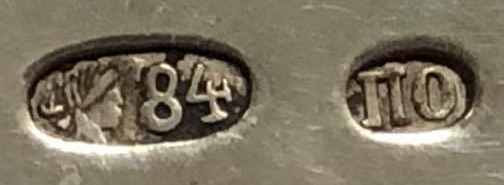
KOKOSHNIK
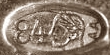
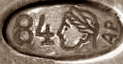
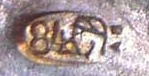
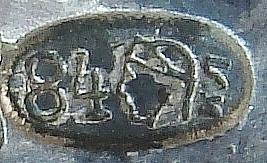
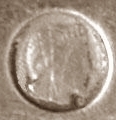
Kokoshnik is a traditional Russian head-dress worn by women and girls. It is tied at the back of the head with long thick ribbons in a large bow. During the revival of Russian national culture in the late 19th century, these diadem-shaped tiaras became part of the fficial court dress for royalty and ladies-in-waiting.
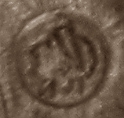
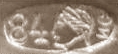
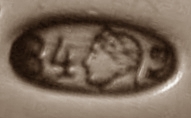
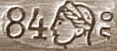
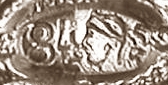
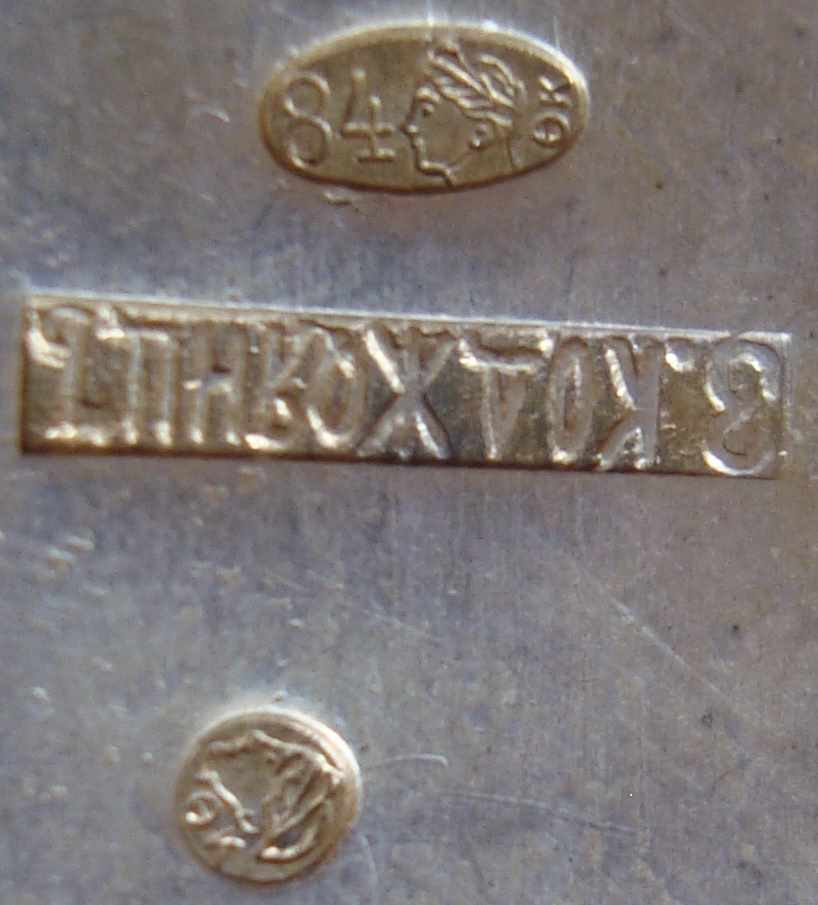
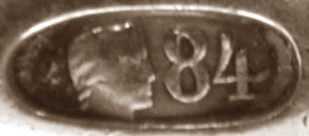
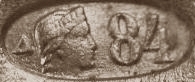
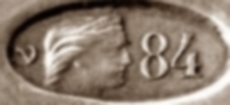
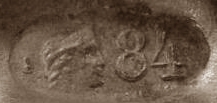
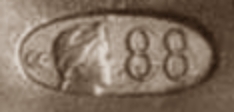
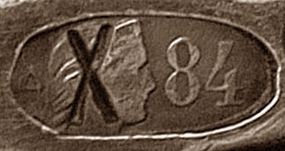
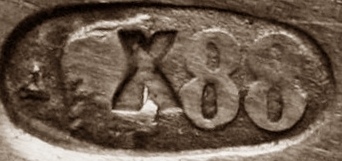
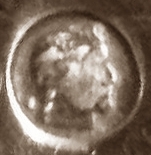
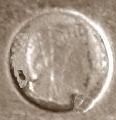
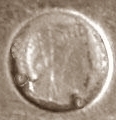
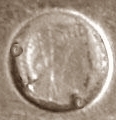
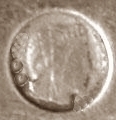
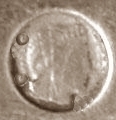
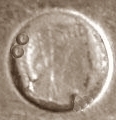
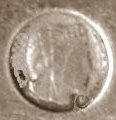
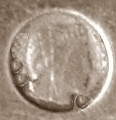
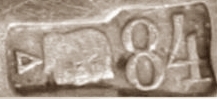
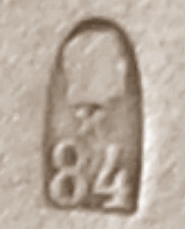
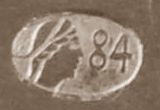
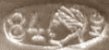
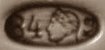
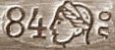
A woman head wearing the Kokoshnik inside contours of various shapes was used from 1899 to mark Russian silver. These marks are commonly known as "Kokoshnik".
|
|
KOKOSHNIK MARKS 1899 - 1908 |
In 1896 was introduced a mark with a female head silhouette facing left and silvers fineness expressed in zolotnicki inside an oval oblong or a circular cartouche. On the right side were inscribed the assayer's initials in Cyrillic characters.
 |
 |
|
 |


|
Anatoly Apollonovich
Artsybashev, Vilnius
|
A. Riktera,
St.Petersburg
|
Alexander Romanov,
St.Petersburg
|
Alexander Virjohovsky,
Kiev
|
Ivan Lebedkin,
Moscow
|
 |
 |
 |

|

|
I. Sorotkin,
Odessa
|
Kliment Anikievich
Zagaewsky, Vilnius,
|
Liba Oleksa,
Kiev
|
Yakor Lyapunov,
St.Petersburg
|
Fyedor Konovolov,
Rostov,
|
OTHER ASSAYERS:
AC
|
A. Solodihova, Kostroma,
1899-1905
|

|
G. Bichkova, Kostroma, 1899
|

|
Ivan Ado, Kazan, 1899-1908
|

|
Yakov Lyapimov, St.
Petersburg, 1899-1903
|

|
Joseph Shmidyevsky, Tiflis,
1903-1904
|
. |
. |
|
KOKOSHNIK MARKS 1908 - 1926 |
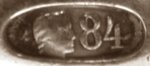
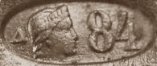
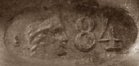
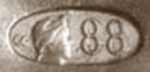
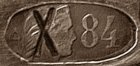
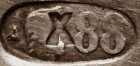
In 1908 was introduced a new mark with a more detailed female head facing right and silver fineness expressed in zolotnicki inside an oval oblong cartouche. The left side was inscribed with the town/region symbol.
 |
 |
 |
 |
St.Petersburg
|
Moscow
|
Kiev
|
Warsaw
|
 |
 |
 |
. |
. |
. |
St.Petersburg (88 zol.)
|
Moscow export 84 zol.
|
Moscow export 88 zol.
|
. |
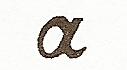
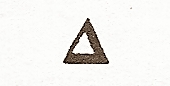
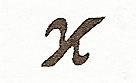
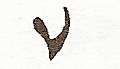
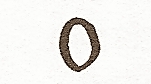
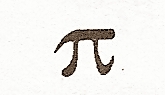
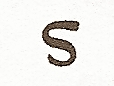
The town or Region symbol was on the left of the oval
cartouche expressed in a letter of the Greek alphabet:
 |
 |
 |
 |
 |
 |
 |
 |
 |
 |
 |
St.Petersburg
Alfa
|
Moscow
Delta
|
Warsaw
Iota
|
Odessa
Kappa
|
Kiev
Ni
|
Caucasus
Omicron
|
Vilnius
Pi
|
Riga
Sigma
|
Kostroma
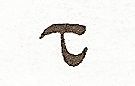
Tau
|
Kazan
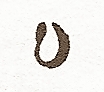
Ypsilon
|
Don
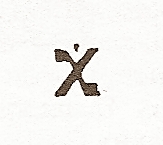
Chi
|
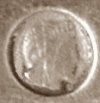
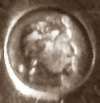
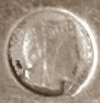
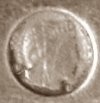
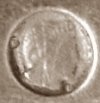
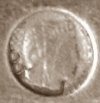
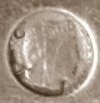
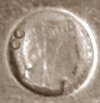
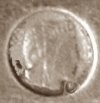
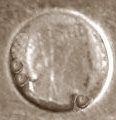
Besides the oval mark, was available also a circular kokoshnik mark struck as a garniture mark on small items or on auxiliary parts of an ensemble en suite. The assay office was indicated by a Morse-code like series of dots and dashes around the perimeter of the mark.
 |
 |
 |
 |
 |
St.Petersburg
|
Moscow
|
Odessa
|
Kiev
|
Caucasus
|
 |
 |
 |
 |
 |
Vilensk
|
Riga
|
Kostroma
|
Kazan
|
Don
|
Other Kokoshnik marks used in the period 1908-1926
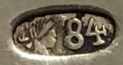
Russian silver is highly appreciated by collectors and antiques' market is invaded by a wide production of modern forgeries made in Poland, Ukraine, Romany, Hungary and other East European countries. They bear counterfeit Imperial Russia marks. These are examples of fake Kokoshnik 1908-1926 marks.
 |
 |
. |
. |
. |
|
LATE 20th CENTURY KOKOSHNIK MARKS |
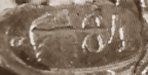
The Kokoshnik mark (1908-1926 version) was reinstated in 1985 creating some confusion in the dating of Russian silver and opening the way to the possibility of deliberate falsification.
More recently the kokoshnik mark was slightly modified assuming rounder contour than the pre-Revolutionary form.
 |
. |
. |
. |
Late 20th Century
|
. |
. |
. |

www.silvercollection.it |
This is a page of 'The What is? Silver Dictionary' of A Small Collection of Antique Silver and Objects of vertu, a 1500 pages richly illustrated website offering all you need to know about antique silver, sterling silver, silverplate, Sheffield plate, electroplate silver, silverware, flatware, tea services and tea complements, marks and hallmarks, articles, books, auction catalogs, famous silversmiths (Tiffany, Gorham, Jensen, Elkington), history, oddities ...
HOME - SITE MAP - SILVER DICTIONARY - COOKIES CONSENT AND PRIVACY |
|
|