ITALIAN
SILVER MARKS AND HALLMARKS
|
|
created by Giorgio B. owner of www.silvercollection.it ©  |
 |
 |
This is a page of A Small
Collection of Antique Silver and Objects of vertu, a 1000
pages richly illustrated website offering all you need to know
about antique silver, sterling silver, silverplate, sheffield
plate, electroplate silver, silverware, flatware, tea services
and tea complements, marks and hallmarks, silver marking system and silver
hallmarks guide, articles, books,
auction catalogs, famous silversmiths (Tiffany, Gorham, Jensen,
Elkington, WMF, Reed & Barton, Mappin & Webb, Bateman Family),
history, oddities ... |
| ITALIAN HALLMARKS 1872-PRESENT ITALIAN MAKERS MARKS GENOA LOMBARDO VENETO NAPLES PAPAL STATES ROME PIEDMONT SICILY VENICE PSEUDO HALLMARKS FORGERY IN ITALIAN SILVER |
| THE DIRECTORY OF 20th CENTURY ITALIAN SILVERSMITHS (SORTED BY PROVINCE) |
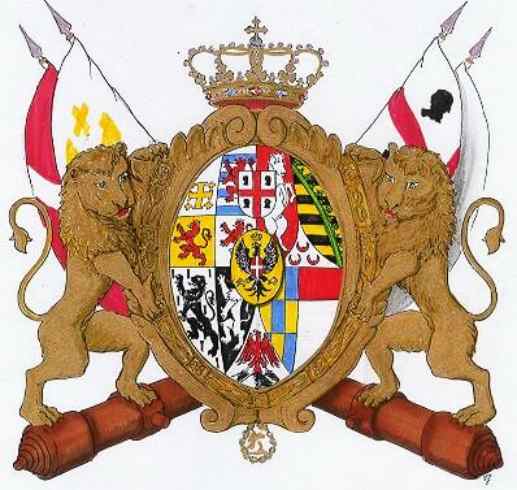 |
In 1720 the kingdom of Sicily was exchanged for that of Sardinia, and the House of Savoy was enabled to call itself royal, as Kings of Sardinia. Although its name was the Kingdom of Sardinia, the main part of the kingdom was Savoy, under which royal house (the House of Savoy) the kingdom resorted. The capital of the kingdom was Turin. In 1743 the kingdom was combined with Piedmont as the Kingdom of Sardinia. When in 1796 Napoleon conquered the kingdom along with the rest of Northern Italy, the king, Charles Emmanuel IV, fled to Sardinia. In 1814 the kingdom was restored and enlarged with the addition of the former Republic of Genoa, now a duchy, and it served as a buffer state against France. In the 19th century the alternative name Sardinia-Piedmont came in use |
During the "Risorgimento" the kingdom expanded to include almost all Italy. Lombardy was added in 1859. In 1860, Parma, Modena, Bologna, Marche, and the Romagna (i.e., the Papal States except Rome and Latium) were annexed by the kingdom. After the annexation (1861) of the Two Sicilies (Naples and Palermo), Victor Emmanuel II of Sardinia was proclaimed king of Italy.
MARKS FROM 1803 TO 1809 (FRENCH OCCUPATION)
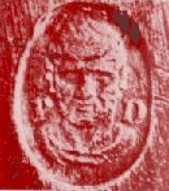
French Authorities divided the occupied territories into eight "Département", each of them having its Assay Office and its own code inside the warranty mark (a number or one or two letters).| DEPARTEMENT | ASSAY OFFICE |
CODE
|
| Alpes-Maritimes | Nizza (Nice) |
6
|
| Dora (Doire) | Ivrea |
D
|
| Marengo | Alessandria |
M
|
| Mont-Blanc | Chambery |
63
|
| Po (Pô) | Torino (Turin) |
PD
|
| Sesia (Sésia) | Vercelli |
SE
|
| Stura | Cuneo |
ST
|
| Tanaro | Asti |
T
|
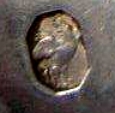
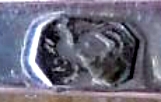
French hallmarking system was imposed, adopting the same marks used in France for "Département"
 |
 |
 |
 |
| silver fineness 950/1000 |
silver fineness 800/1000 |
large works warranty mark |
small works warranty mark |
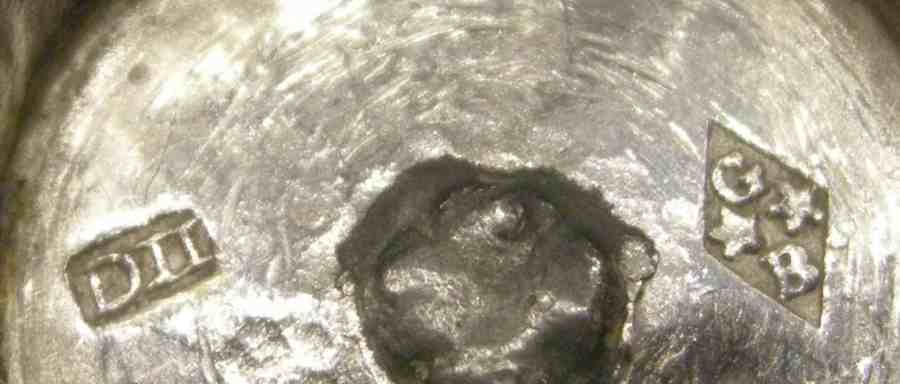
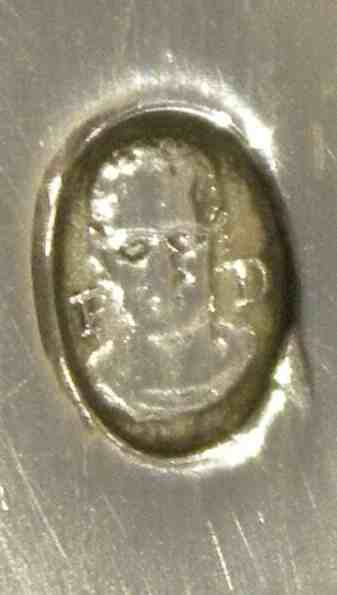
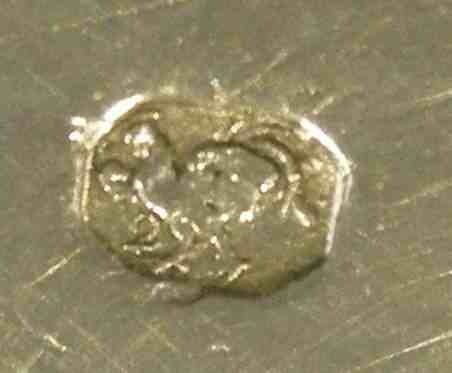
|
| DII: possibly an unofficial mark used on items bearing the old silver fineness '11 denari' (916/1000) in addition to the official hallmarks 800/1000 punched by the Assay Office |
MARKS FROM 1809 TO 1814 (FRENCH OCCUPATION)
In 1809 France revised its hallmarking system and accordingly the
marks of French "Département" in Italy were changed.
Also the codes of "Département" were modified.
Also the codes of "Département" were modified.
| DEPARTEMENT | ASSAY OFFICE |
CODE
|
| Alpes-Maritimes | Nizza (Nice) |
6
|
| Dora (Doire) | Ivrea |
23
|
| Marengo | Alessandria |
59
|
| Mont-Blanc | Chambery |
66
|
| Po (Pô) | Torino (Turin) |
77
|
| Sesia (Sésia) | Vercelli |
96
|
| Stura | Cuneo |
99
|
| Tanaro | Asti |
C
|
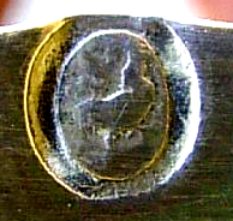 |
 |
 |
 |
|
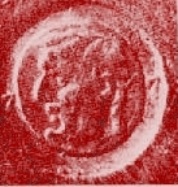
silver fineness 950/1000 |
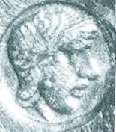
silver fineness 800/1000 |
large works warranty mark |
small works warranty mark |
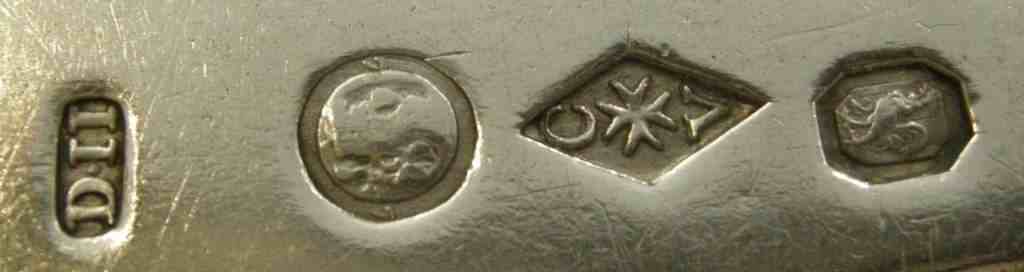 |
DII: possibly an unofficial mark used on items bearing the old silver fineness '11 denari' (916/1000) in addition to the official hallmarks 800/1000 punched by the Assay Office
|
MARKS FROM 1814 TO 1824 (KINGDOM OF SARDINIA)
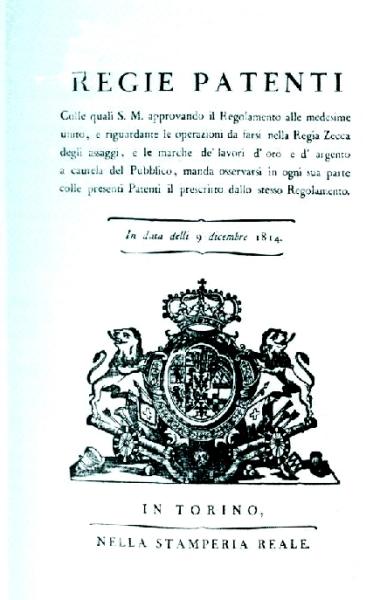 |
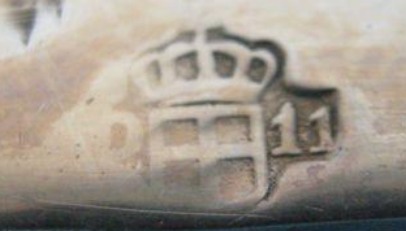
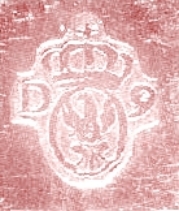
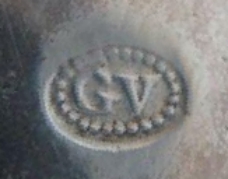
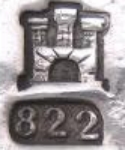
After the fall of Napoleon the sovereignty of king Vittorio Emanuele I of Savoy House was reinstated in its territories. After the Congress of Vienna (1815) the Kingdom of Sardinia comprised the Princedom of Piedmont, the Duchy of Savoy, the County of Nizza and the former Republic of Genoa. These territories became in 1861 part of the Kingdom of Italy (King Vittorio Emanuele II), except the Duchy of Savoy and the County of Nizza that had been transferred to France since 1859. The hallmarking was changed again. The decimal system was abandoned and silver fineness was measured in "denari" |
 |
 |
 |
 |
|
silver fineness 11 Denari 916/1000 |
silver fineness 9 Denari 750/1000 |
Giuseppe Vernoni, assayer Torino 1822 |
Genoa Assay Office |
MARKS FROM 1824 TO 1872 (KINGDOM OF SARDINIA)
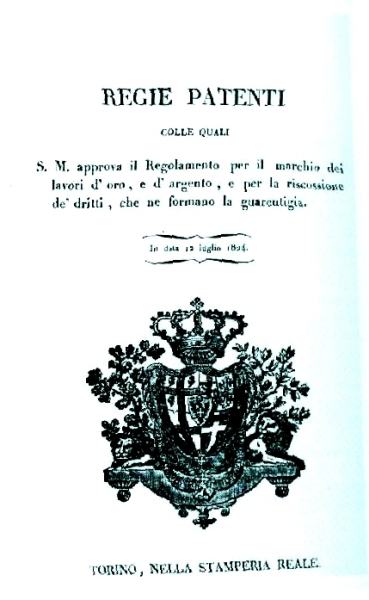 |
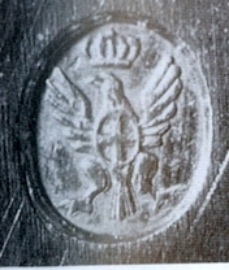
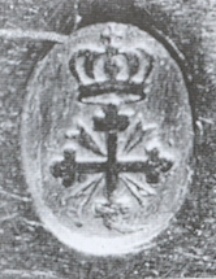
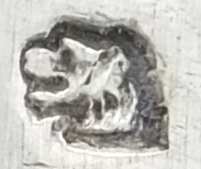
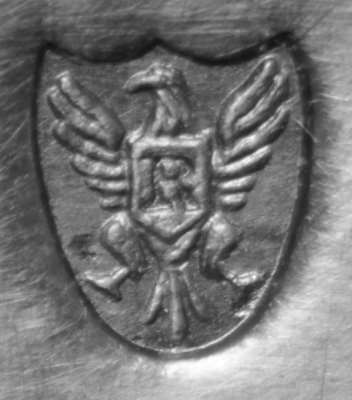
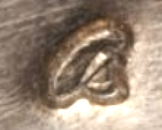
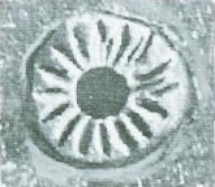
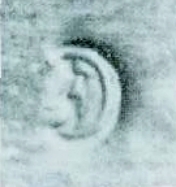
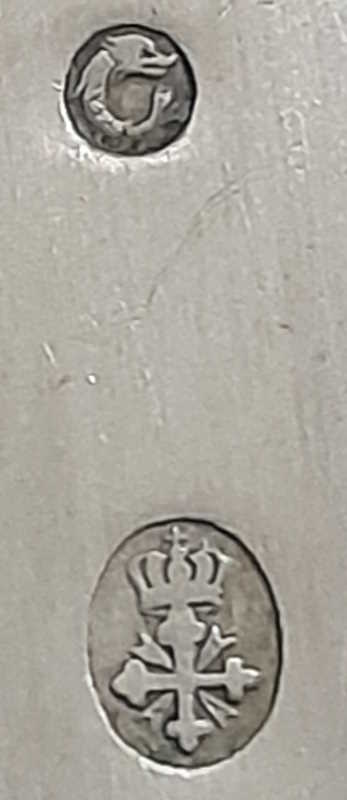
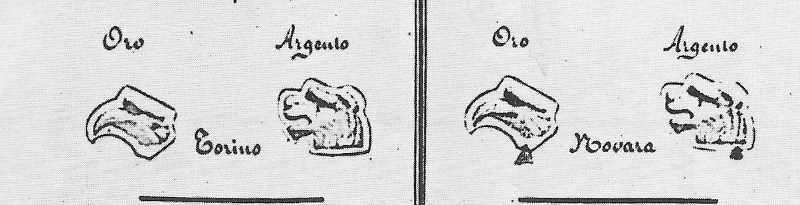
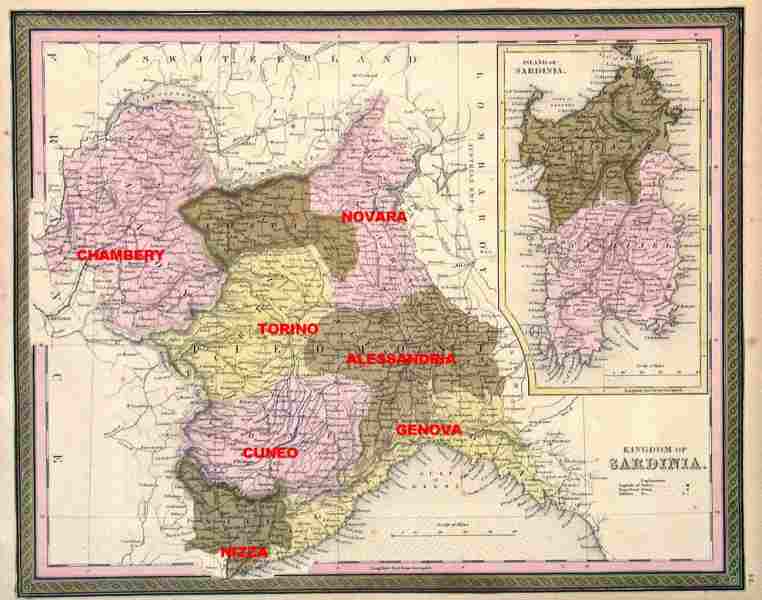
In 1824 the hallmarking system had another modification. The decimal system of measure was reintroduced and new marks were used Seven Assay Offices (Zecca) were maintained in activity: Torino (Turin), Alessandria, Chambery (until 1859), Cuneo, Genova, Nizza (Nice, until 1859), Novara (closed in 1829). |
 |
 |
 |
 |
 |
|
silver fineness 950/1000 large works |
silver fineness 800/1000 large works |
silver fineness 950/1000 small works |
silver fineness 800/1000 small works |
verification for items made before 1824 large works |
 |
 |
 |
 |
|
|
Torino (.950) |
Torino (.800) |
Alessandria |
Chambery |
|
 |
 |
 |
 |
 |
| Cuneo | Genova | Nizza |
Novara (two variants) |
Novara |

|
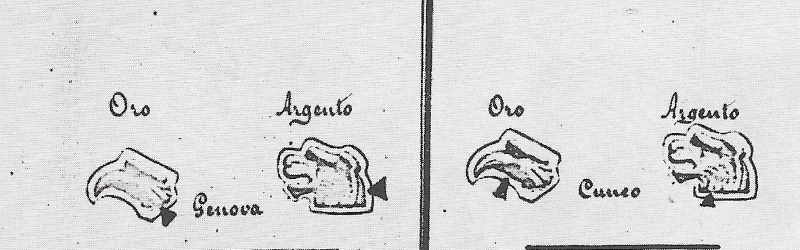
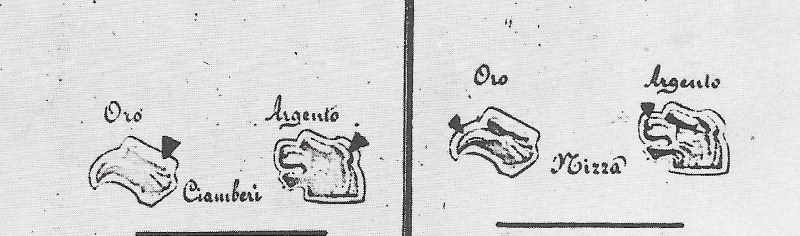
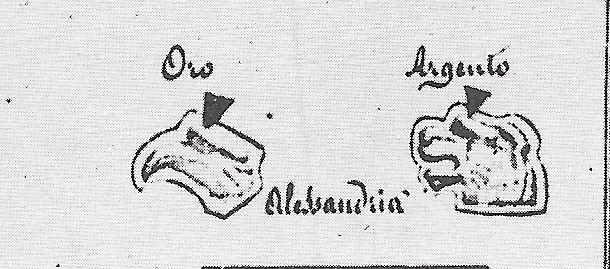
|
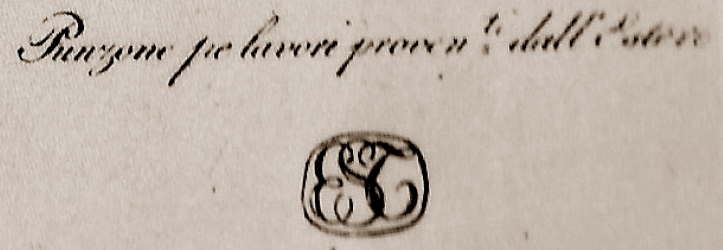
Import mark 1824-1872: EST (Estero=foreign) in uppercase script |
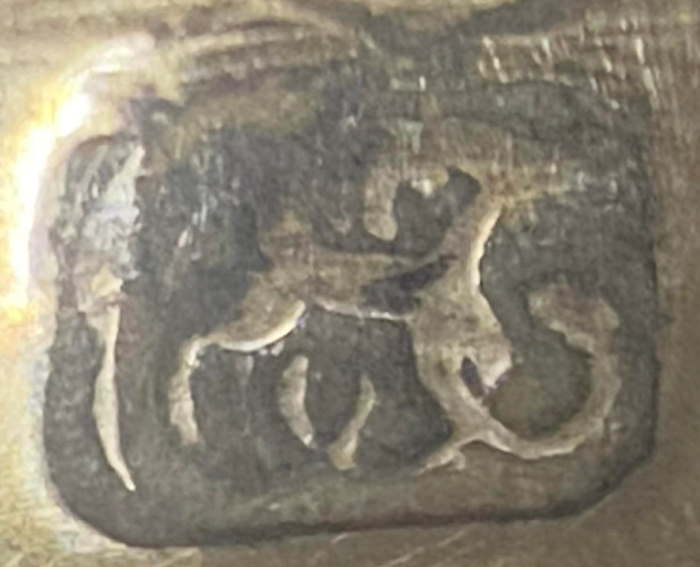
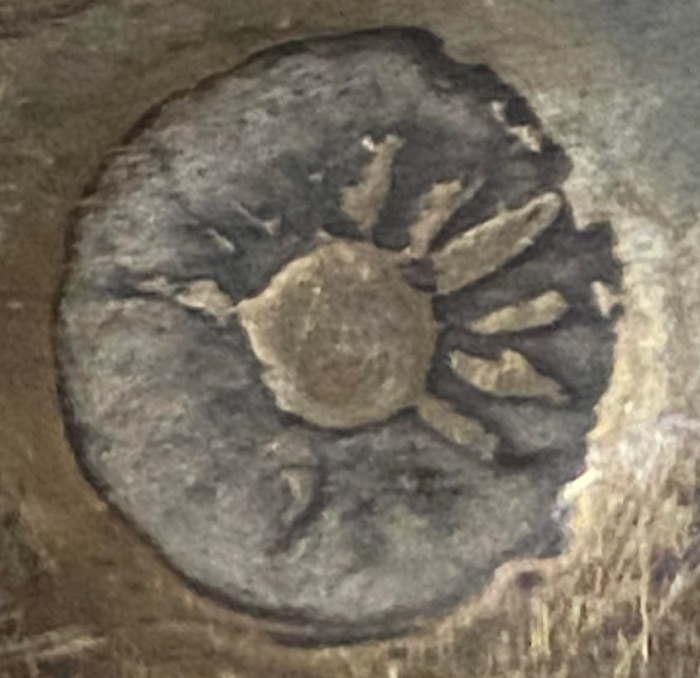
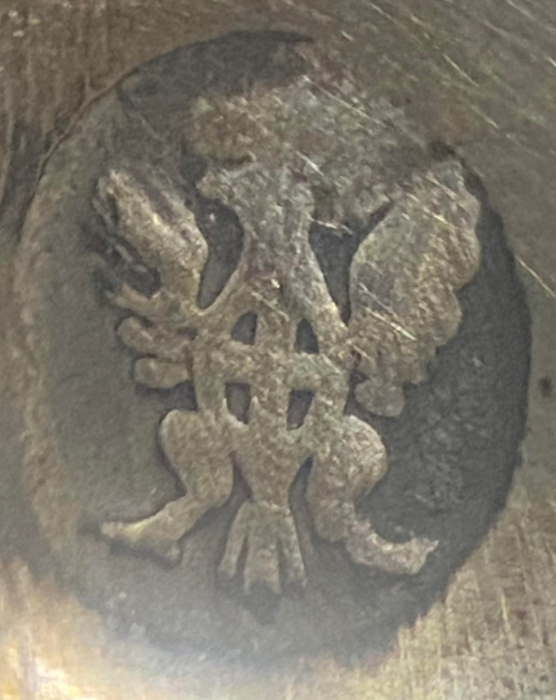
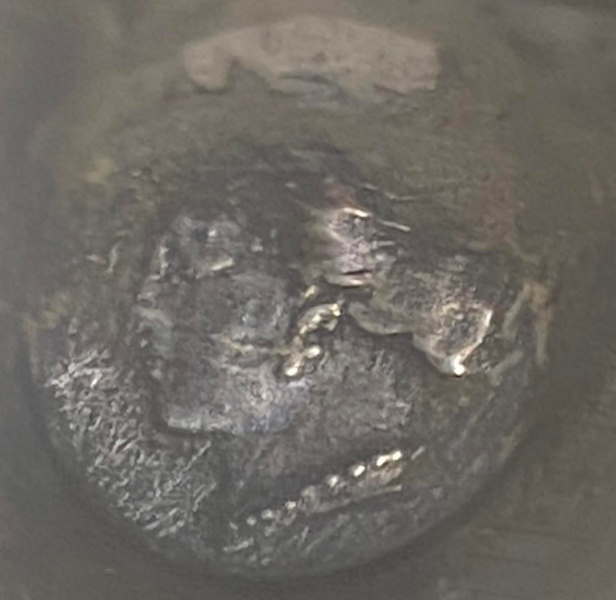
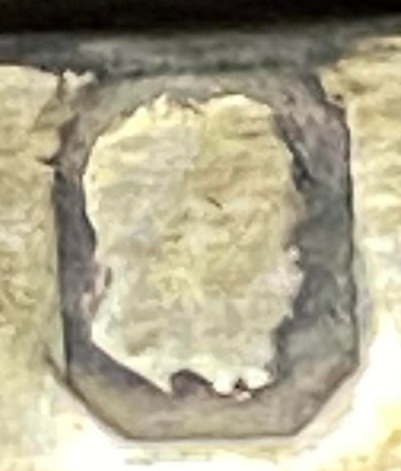
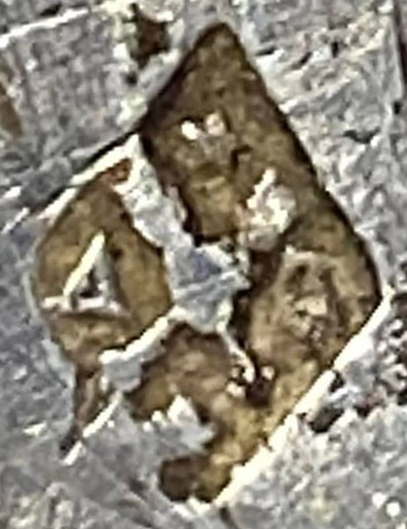
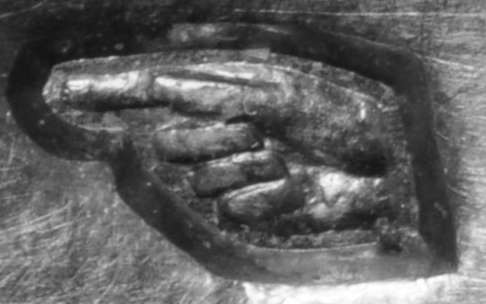
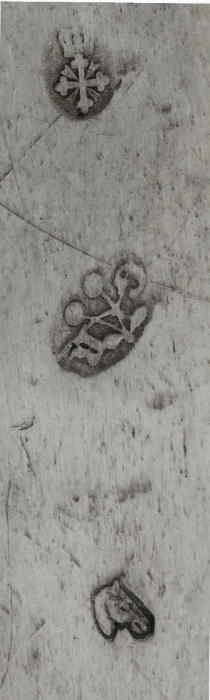
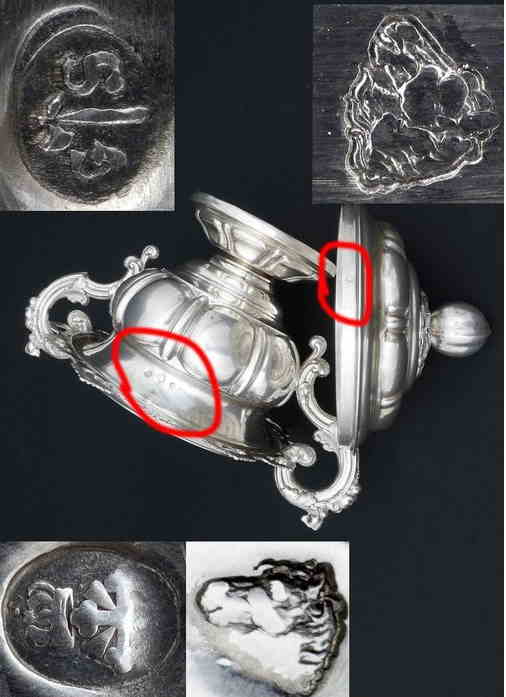
Kingdom of Sardinia (Chambery) 1824-1872 import hallmarks coupled to French 1819-1838 hallmarks |
 |
work in progress on this page - your help, corrections and suggestions will be greatly appreciated - |