THE DIRECTORY OF AUSTRALIA SILVERSMITHS
|
|
|
created by Giorgio B. owner of www.silvercollection.it ©  |
 |
 |
| This is a page of A Small Collection of Antique Silver and Objects of vertu, a 1500 pages richly illustrated website offering all you need to know about antique silver, sterling silver, silverplate, sheffield plate, electroplate silver, silverware, flatware, tea services and tea complements, marks and hallmarks, silver marking system and silver hallmarks guide, articles, books, auction catalogs, famous silversmiths (Tiffany, Gorham, Jensen, Elkington, WMF, Reed & Barton, Mappin & Webb, Bateman Family), history, oddities ... SITE MAP - HOME PAGE |
| AUSTRALIA SILVERSMITHS ALPHABETICAL LISTING - A - |
| AUSTRALIAN SILVERSMITHS
A
B
C
D
E
F
G
H
I
J
K
L
M
N
O
P
Q
R
S
T
U
V
W
X
Y
Z
NOT IDENTIFIED ALPHABETICAL LISTING OF MARKS |
(click on the photo to enlarge image)
| SILVERSMITH'S NAME AND MARKS |
SILVERSMITH'S INFORMATION |
ALLEN SAMUEL GEOFFREY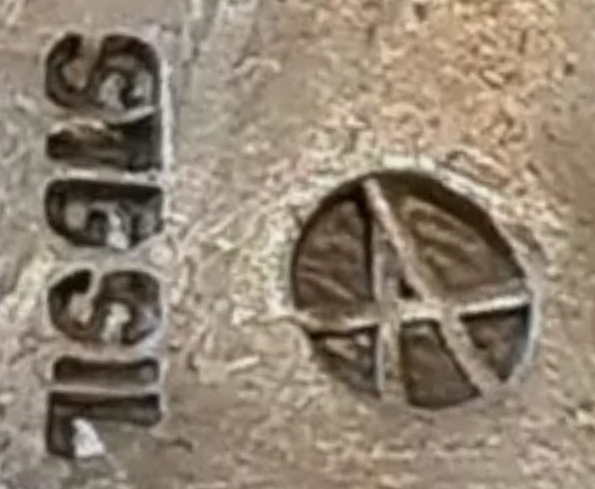 |
Western Australia, Perth born at Mt Barker WA in 1924. He trained in Fine Arts in Sydney 1948-52, then returned to WA and exhibited as a painter and taught art in a secondary school. During this period he taught himself jewellery making and silversmithing before opening his own shop 1967-1990. He continued working from a home workshop in Perth, 1990 - 2000 when he passed |
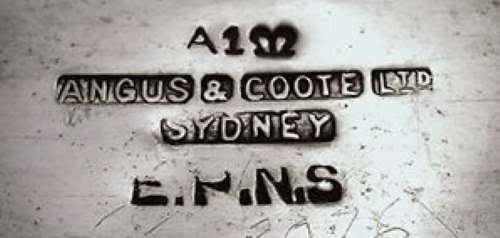
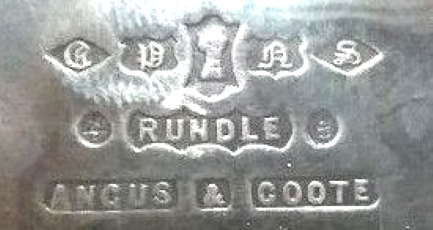
ANGUS & COOTE LTD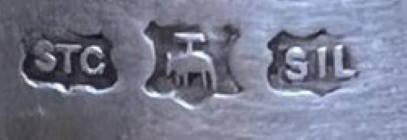
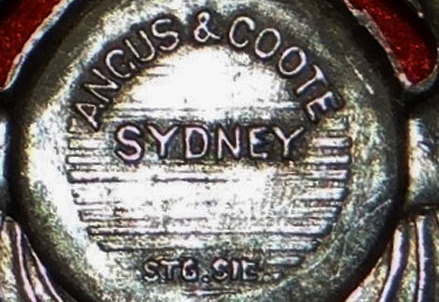
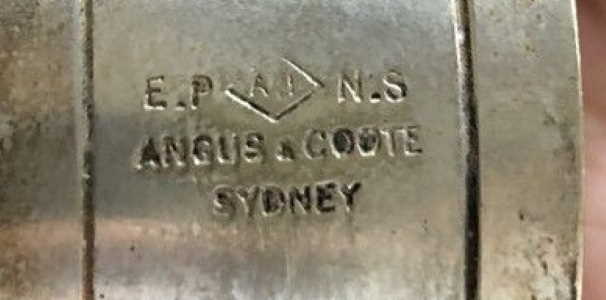
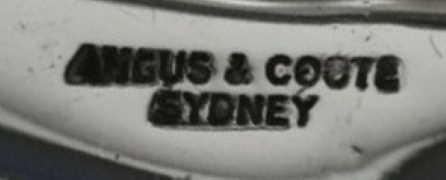
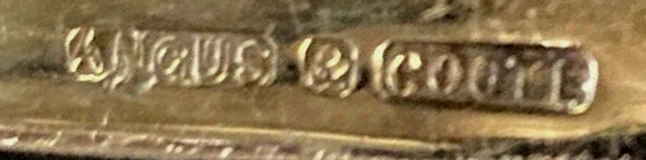
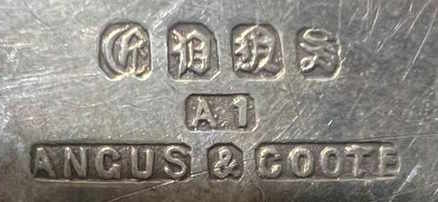
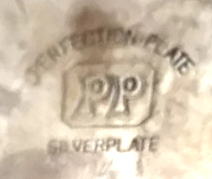
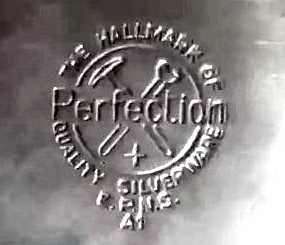 |
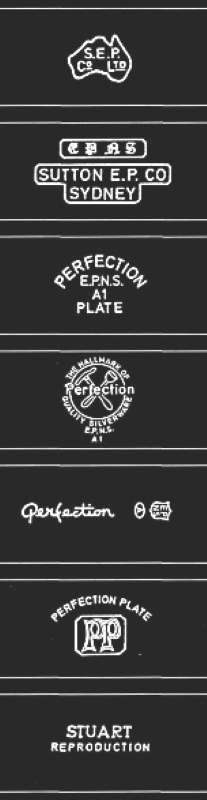
New South Wales, Sydney Founded in 1895 by William Angus, a watchmaker, and Edmund J. Coote, a working jeweller. Starting off as a retail concern, they appear to have turned to manufacturing following the death of William Angus in 1902, and were in production by 1905. By the late 1920s, Angus & Coote had developed their "Rundle" range of finely crafted table silverware: tea and coffee services, soup tureens, salvers, trays, plus candelabra. The hollow-ware was produced in sterling silver and in E.P.N.S., whilst matching flatware and cutlery were available. "Rundle" was produced until the mid 1970s. They acquired the Sutton Electroplate Company in the early 1920's and Perfection Plate in 1960. Trademarks SUTTON, RUNDLE and PERFECTION. 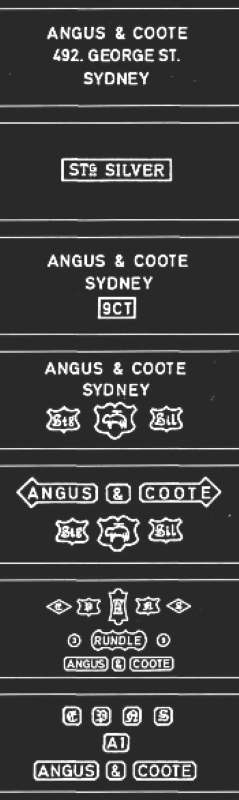
 |
ARMFIELD George H. |
Victoria, Collingwood active 1870s/1880s |
|
HALLMARKS OF ENGLISH SILVER -
MAKER'S MARK IDENTIFICATION
|
| IMAGES | A& AC |
AD AK |
AL AZ |
B& BB |
BC BO |
BP BZ |
C& CA |
CB CC |
CD CF |
CG CL |
CM CS |
CT CZ |
D& DB |
DC DL |
DM DZ |
E& EA |
EB ED |
EE EH |
EI EO |
EP EZ |
F& FD |
FE FJ |
FK FZ |
G& GB |
GC GG |
GH GL |
GM GR |
GS GZ |
| IMAGES | H& H& |
HA HB |
HC HE |
HF HL |
HM HU |
HV HZ |
I& IG |
IH IL |
IM IZ |
J& JA |
JB JC |
JD JG |
JH JK |
JL JQ |
JR JR |
JS JS |
JT JZ |
KA KZ |
L& LB |
LC LZ |
M& MB |
MC MI |
MJ MZ |
N& NZ |
OA OZ |
P& PK |
PL PZ |
QA QZ |
| IMAGES | R& RB |
RC RG |
RH RK |
RL RQ |
RR RZ |
S& SB |
SC SI |
SJ SR |
SS SZ |
T& TC |
TD TG |
TH TN |
TO TS |
TT TZ |
UA UZ |
V& VZ |
W& WA |
WB WB |
WC WC |
WD WE |
WF WG |
WH WL |
WM WM |
WN WR |
WS WS |
WT XZ |
YA YZ |
ZA ZZ |
|
BRITISH TOWN MARKS AND DATE LETTERS
|



AUSTRALIA AND ITS SILVER
A BRIEF HISTORY
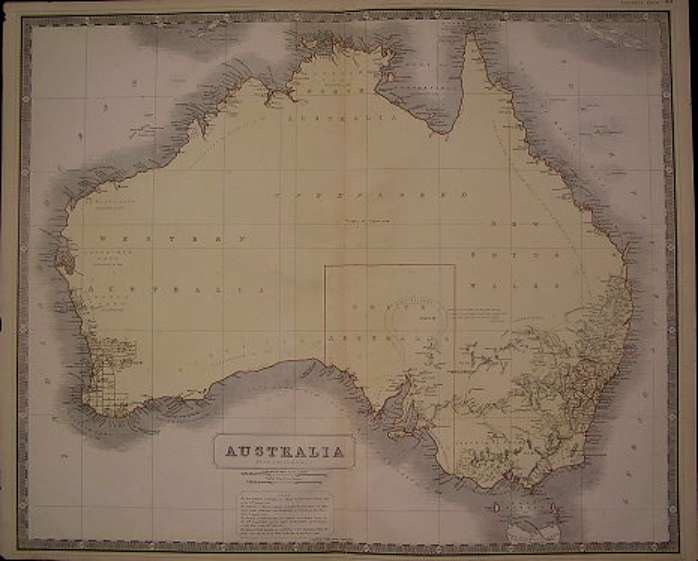 |
| Australia in the 19th century was made up of six separate
colonies, New South Wales, South Australia, Tasmania, Queensland and Western Australia, South Australia
(including, at this time, also the Northern Territories). In terms of working silversmiths only three colonies supported any number of craftsmen, namely New South Wales capital, Sydney, Victoria, capital Melbourne and South Australia capital, Adelaide. Europeans arrived in Australia (English Colony) in 1788. The European population by 1800 was only around 4 000 but by 1850 - due to a number of factors including the Gold Rush - it stood at 400 000. There was also an indigenous population. Australian made silver pre 1850 by comparison to colonial silver in general must be considered very rare. Most working silversmiths with retail business carried imported silver or plated items as current stock and locally produced items were manufactured only to fulfill immediate orders (as presentation trophies) when the waiting time to order pieces from England was too long. No form of official mark or date letter system was introduced into the hallmarking of Australian silver. Early Australian silversmiths marked their objects with their full name or initials and imitations of English hallmarks as leopard's heads, lions and anchors. In 1988 was formed the Gold and Silversmiths Guild of Australia. A voluntary system of marking was introduced (maker's mark, standard mark, guild mark and date letter). |
|
|