ELKINGTON ELECTROPLATE SILVER AND SILVER PLATE
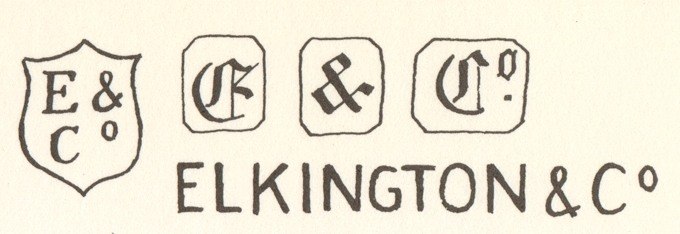
Elkington - Elkington & Co - Elkington & C.
MARKS - HALLMARKS - DATE LETTERS
|
This is a page of A
Small Collection of Antique Silver and Objects of vertu,
a 1000 pages richly illustrated website offering all you
need to know about antique silver, sterling silver,
silverplate, sheffield plate, electroplate silver,
silverware, flatware, tea services and tea complements,
marks and hallmarks, articles, books, auction catalogs,
famous silversmiths (Tiffany, Gorham, Jensen, Elkington,
WMF, Reed & Barton, Mappin & Webb, Bateman Family),
history, oddities ...
SITE MAP
HOME PAGE
|
|
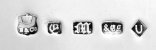
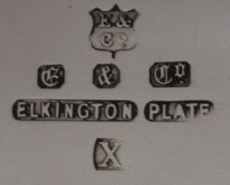
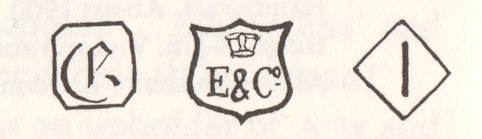
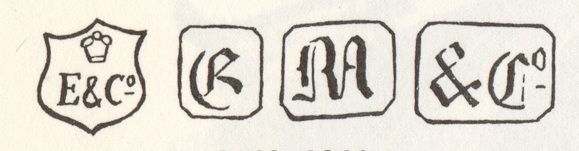
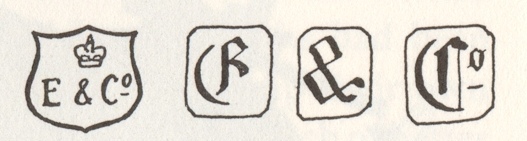
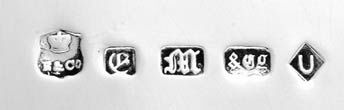
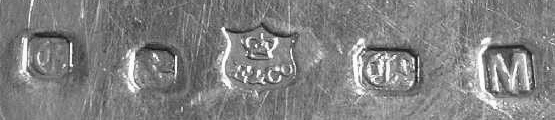
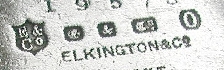
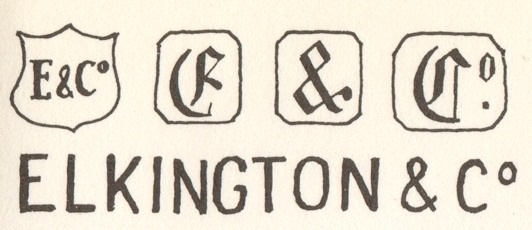
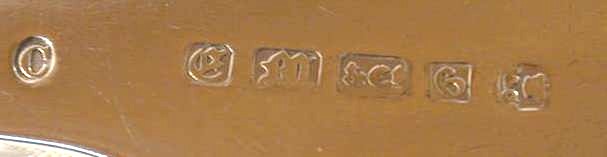
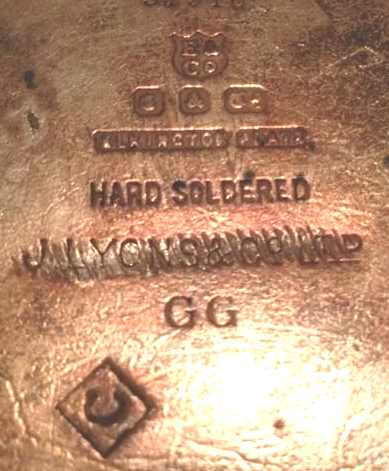
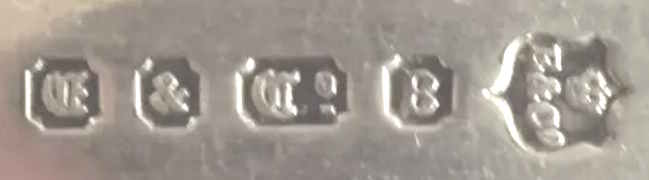
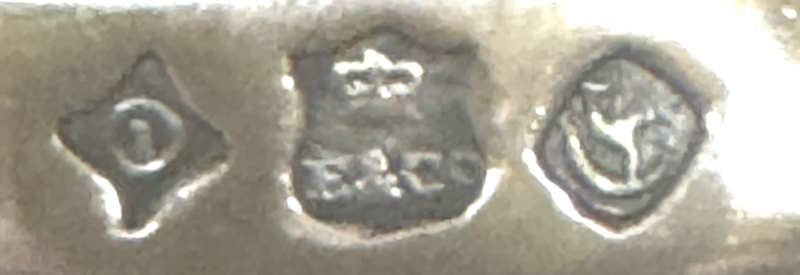
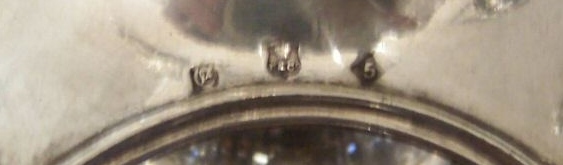
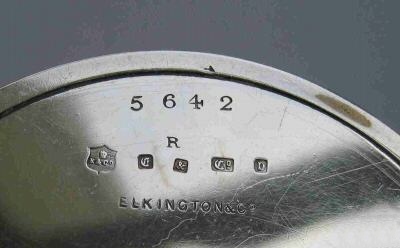
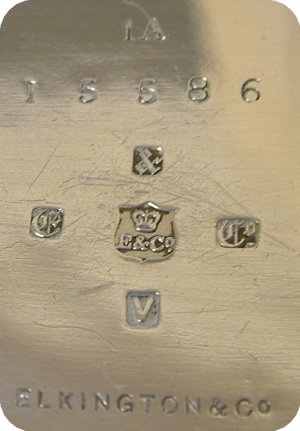
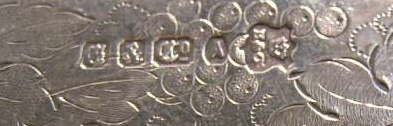
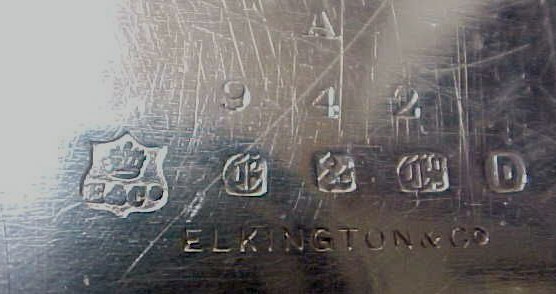
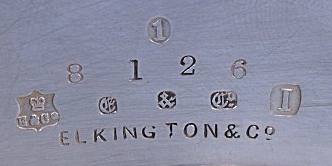
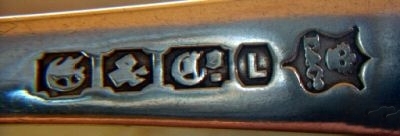
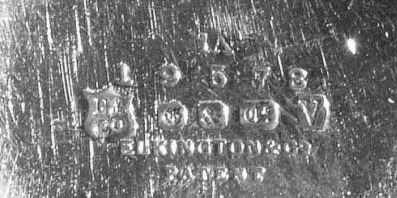
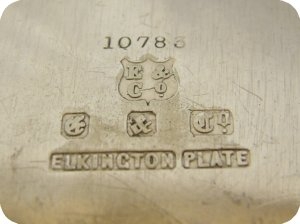
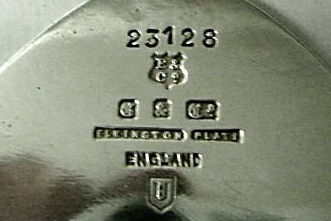
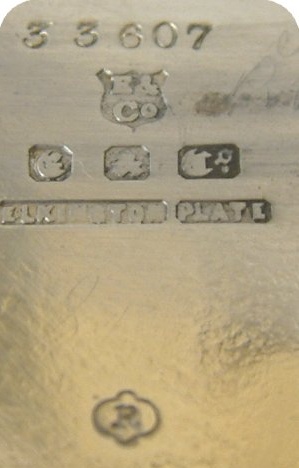
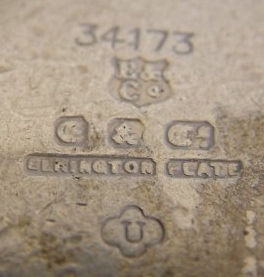
The earliest electroplate made by Elkington's was marked with 'E & Co' crowned in a shield and the word ELEC TRO PLATE in three portions.
|
 |
 |
 |
 |
DATE LETTERS 1841 - 1848
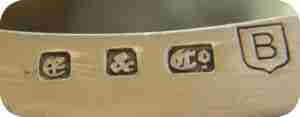
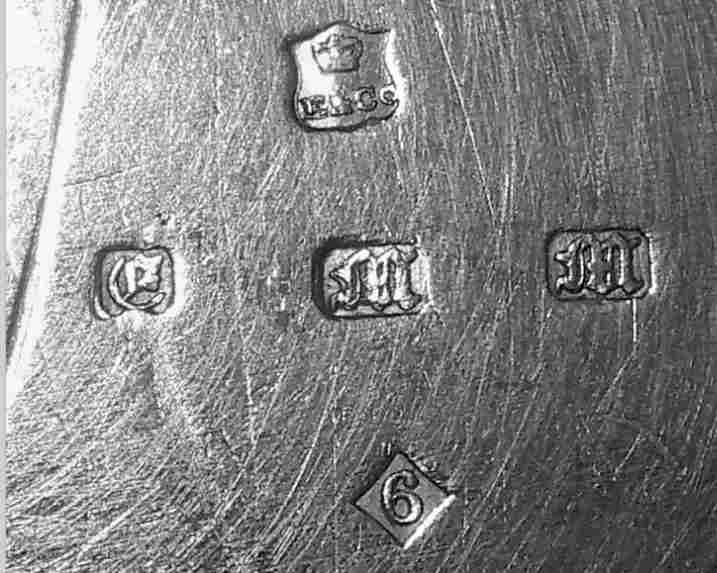
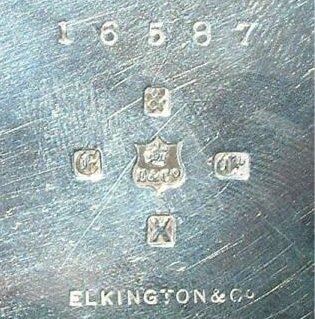
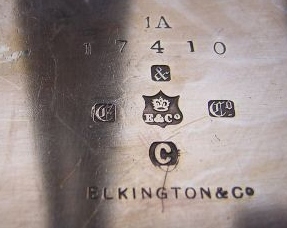
In 1841 and again in 1842 the mark was changed and a date number was added. The date number was in use from 1841 to 1848 (the 6 was reversed).
|
(click on "yellow date" for image)
|
see (note 6) for 1845, 1847 and 1848 mark
|
DATE LETTERS 1849 - 1864
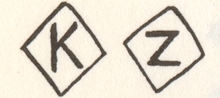
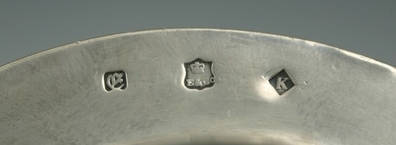
In 1849 the series was altered to letters, beginning with K
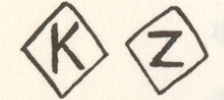
|
(click on "yellow date" for image)
|
see (note 1) for 1849(K), 1852(N), 1853(O), 1854 and 1861 marks
see (note 5) for a variant of 1853 mark
see (note 7) for 1849, 1850 and 1858 mark
see (note 10) for 1851 "M" mark
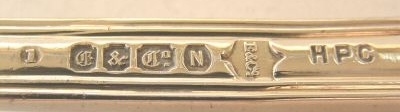
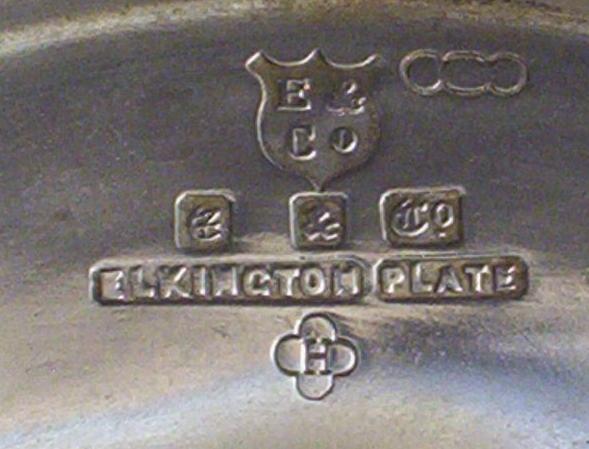
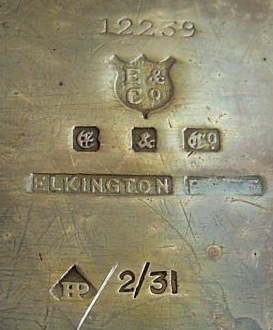
see (note 20) for "HP" intertwined letters into a lozenge
see (note 21) for "C", "F" and "H" letter into a lozenge
|
DATE LETTERS 1865-1885
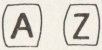
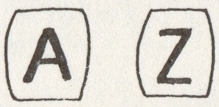
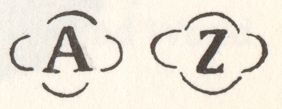
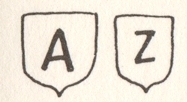
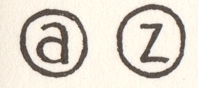
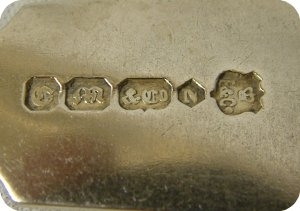
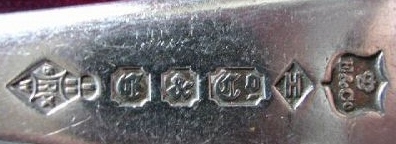
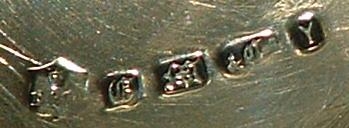
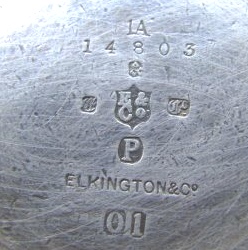
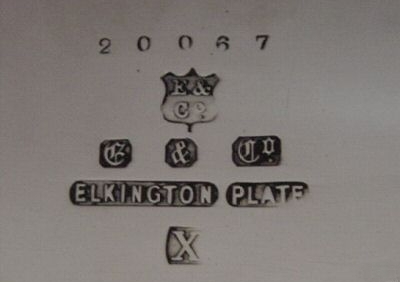
With the beginning of the new series of letters in 1865 the mark was also changed. The date letter left out B, C, I and J, while Q, not used by the sheet department and only partially by the cast department, was used as well R in 1877.
|
(click on "yellow date" for image)
|
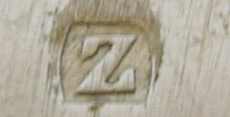
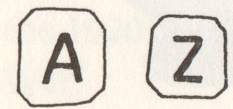
see (note 2) for 1881(V), 1883(X), 1884 (Y) and 1885 (Z) mark
|
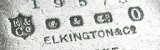
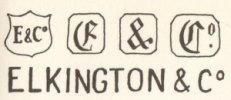
DATE LETTERS 1886 - 1911
|
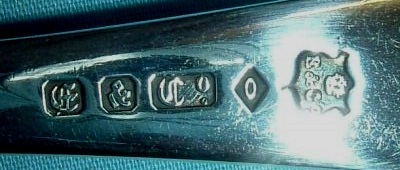
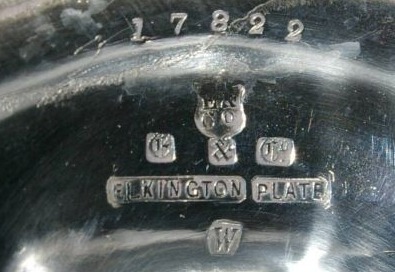
Slightly different marks were used in 1898-1899 and from 1900 onwards.
 |
 |
(click on "yellow date" for image)
|
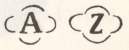
DATE LETTERS 1912 - 1936

|
(click on "yellow date" for image)
|
see for 1914 "C" mark
see for 1912 "A" mark
see for 1921 "J" mark
|
DATE LETTERS 1937 - 1960


|
(click on "yellow date" for image)
|
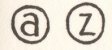
DATE LETTERS 1961 - 1986
(but production at Walsall stopped in 1968)

|
(click on "yellow date" for image)
|
NOTES
note 1: exceptions were found to this rule. In this page 1849(K), 1852(N), 1853(O), 1854 and 1861
marks using "&" instead of "M gothic"
note 2: exceptions were found to this rule. In this page an example of 1865, 1877QR, 1880, 1881(V), 1885(Z) mark where "M gothic" is still used
note 3: references note that the "lozenge" was used from 1849
to 1864 and mark "H in a lozenge" was never used. A little mystery is
a mark with "H into a lozenge" coupled to the UK Patent Office lozenge
of a model registered in 1868 (date "march 11, 1868"). Maybe this was an
anomalous use of 1870 mark (letter into a lozenge instead of in a
square)
note 4: references note that production stopped in 1968. Mark
"J in a circle" refers presumably to 1970 outside Walsall
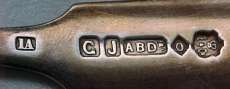
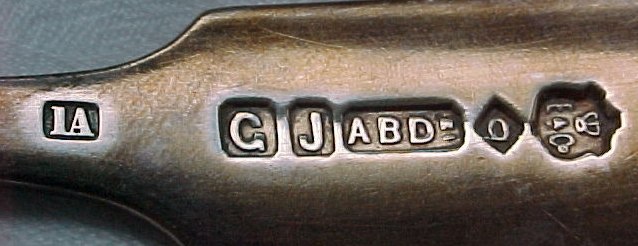
note 5: a gravy ladle with 1853 Elkington marks is punched also
GJ ABD . Presumably it refers to an item retailed by George Jamison in
Aberdeen
note 6: exceptions were found to this rule. On this page examples of 1845, 1847 and 1848
date number were used together with 1841 mark
note 7: exceptions were found to this rule. On this page examples of 1849, 1850 and 1858 date letters
using 1841 mark
note 8: a variant of 1868 mark (letter "F" into a square inside a lozenge) was
found in a large plaque with mythological motif
note 9: a variant of 1914 mark was found (slightly different shape of letter
"C" incuse)
note 10: a variant of 1851 mark was found ("E" instead of gothic )
note 11: Elkington table of marks presented on this page is based on the information contained
in:
- Victorian Electroplate, by Shirley Burly, The Hamlyn Publishing Group Ltd, 1971
- Encyclopedia of American Silver Manufacturers, Dorothy T. Rainwater & Judy Redfield, Schiffer
Publishing Ltd, fourth Edition, 1998
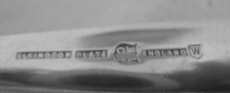
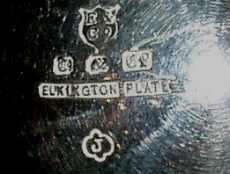
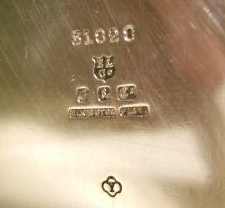
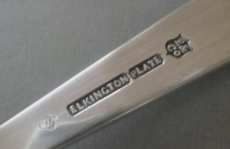
The images presented on this page document many differences compared to the reference literature,
demostrating that Elkington never adopted a rigourous system of marks and the use of exceptions or
discontinuous marks was a common practice for its production.
note 12: present also retailer's mark: A.T. Wiley & Co Ld, Montreal
note 14: present the mark of Cunard White Star
note 15: Elkington & Co in script
note 16: possibly a variant of 1869 date letter: "G" into a lozenge instead of into
a square
note 17: marked also Marrison Hotel
note 18: marked also Monarchy
note 19: possibly 1957: marked "Cassidy's '57"
note 20: date not identified for an unusual "HP" intertwined into a lozenge mark. A suggested
hypothesis is that Elkington outsourced some work to John Henry Potter of Rockingham Works, Sheffield
to fulfil some large commission (possibly the contract with the Hotel Cecil in London which was being built
in 1896)

note 21: date unknown for unusual "F" into a lozenge mark found on a napkin ring and "H" (flatware) and "C"


note 22: mark's incuse of different shape
note 23: literature quotes 1846 date symbol as a 'reverse 9'. Examining the actual image the symbol looks like a bent "6" or an upside down "9". Note that the mark on the left bears a double Gothic "M" instead of "& CO"
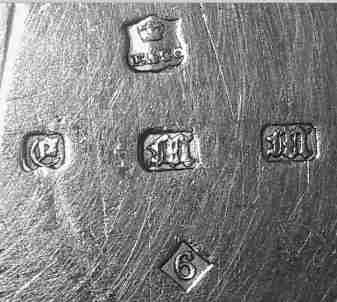
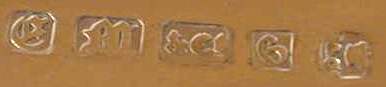
note 24: in 1898 the "crown" was deleted when the Parliament forbade its use on silverplate wares to prevent abuses and misunderstandings with the "crown" symbol of the Sheffield Assay Office (reserved to hallmarking sterling silver items)
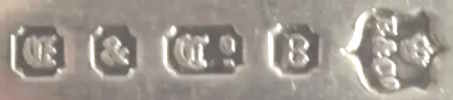
note 25: according to literature (Shirley Bury) letters B and C were missed in the 1865-1885 series. The shape of this letter "B" is slightly different and doesn't corresponds neither to 1865-1885 nor to 1886-1911 series. The presence of the "crown" dates this mark prior to 1898. Possibly this is a variation of 1887 mark
note 26: the date 1888 is dubious as the shape of this mark is similar to the 1886-1911 series, but ELKINGTON has an unusual shape and the "shield" is missing of the crown (would be post 1900)
note 27: found a date letter "C" into a lozenge

note 28: found a date letter "B" into a scalloped square
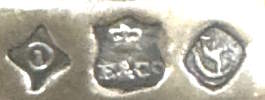
note 29: found a four arms candelabrum with number "1" into a curved sides lozenge. Possibly the actual undocumented date letter for 1841
|
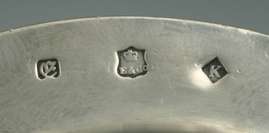
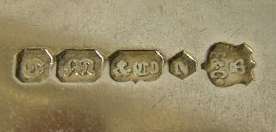
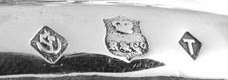
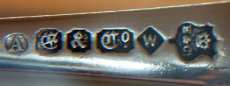
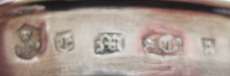
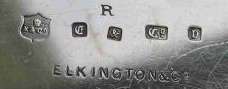
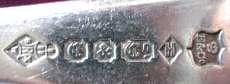
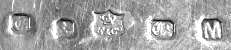
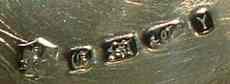
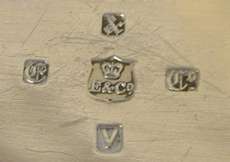
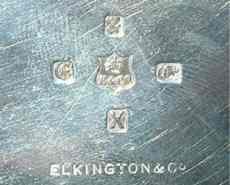
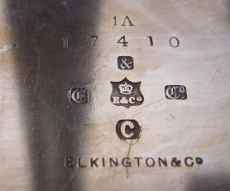
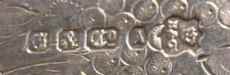
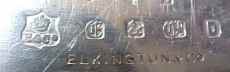
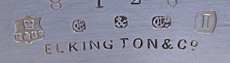
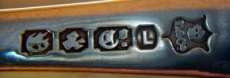
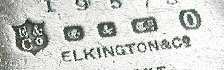
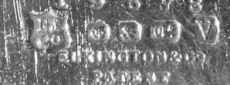
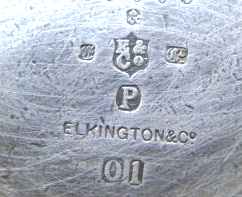
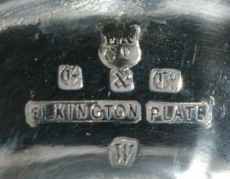
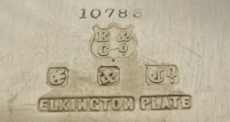
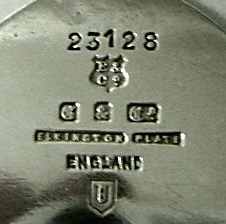
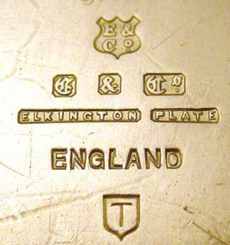
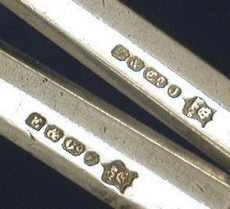
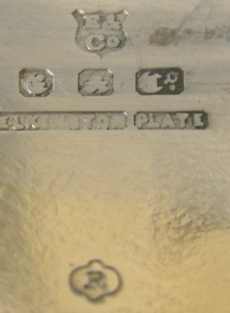
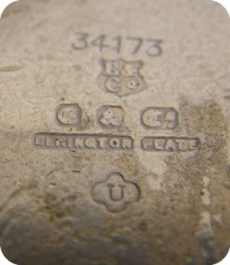
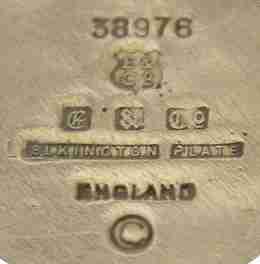
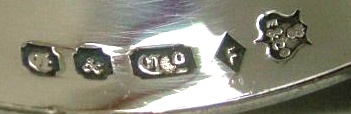
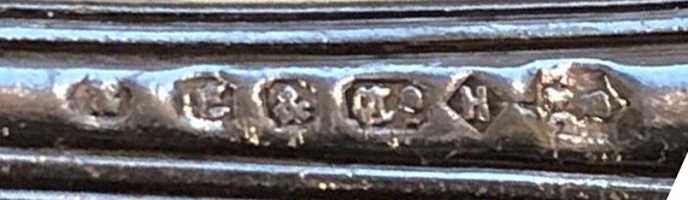
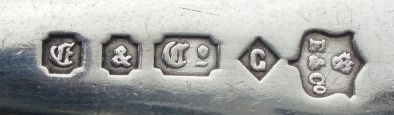
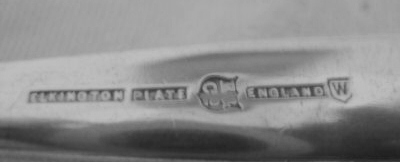
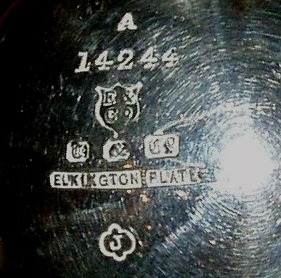
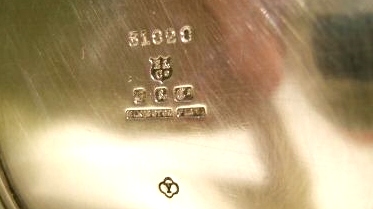
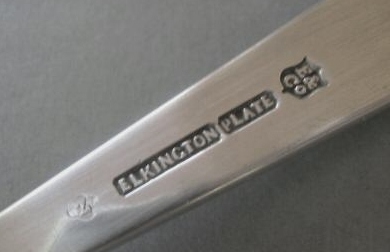
ELKINGTON MARKS "PARADE"
(click on photo to enlarge image)
|
|

|
|
|
|
|
|
|
|
|
|
|
ELKINGTON HISTORY
Elkington & Co. are one of the most important names in English silver and certainly the most important in silver plate. They began life in
Birmingham as a company of silversmiths in 1836, and experimented with improving gilding techniques. By 1838 they had discovered and patented a
new way to electroplate one metal on to the surface of another. By 1840 production was already underway with silver electroplated wares. The
company received financial backing from Josiah Mason in 1842 (renaming the firm Elkington, Mason & Co between 1842 and 1861) and was extremely
successful. It introduced electrotyping as a new method of production for silver plated items. Elkington & Co exhibited at the Great
Exhibition of 1851 with enormous success.
According to Alstair Grant thesis on Elkington & Co. (Elkington & Co. and the Art of Electro-Metallurgy, circa 1840-1900). "While the manufacturing and joint-stock company in Birmingham was restyled Elkington, Mason, & Co., the subsidiary retail partnership in London remained Elkington & Co. and continued using the maker mark E & Co."
An Australian branch was active in Sydney (before 1888) with manufacture at 396 Pitt Street and retail shop at 384 George Street.
|
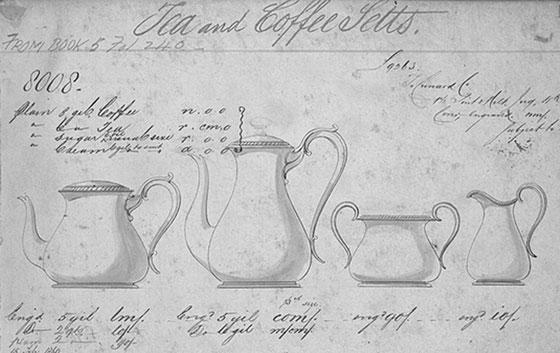
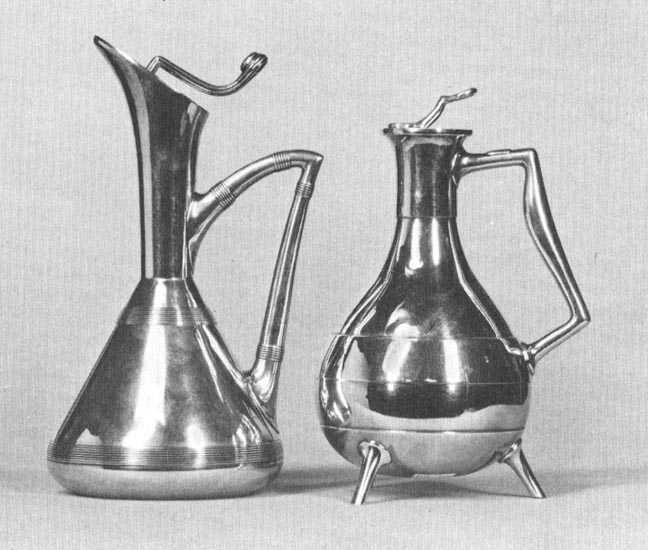
In 1885 Elkington registered designs by Christopher Dresser. Dresser's
designs included tea services, sugar bowls, claret jugs, kettles, cruet
stands, baskets, a tureen and a tankard. His models are recorded in
Elkington's silver and plated ware pattern-books.
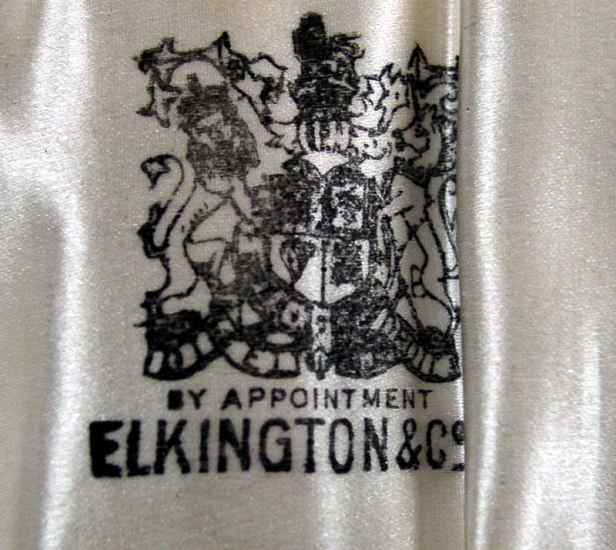
Elkington held Royal Warrants for Queen Victoria, King Edward VI, King
George V, King Edward VIII and King George VI. The Elkington & Co. name
is still in use today as manufacturers under the auspices of British
Silverware Ltd.
|
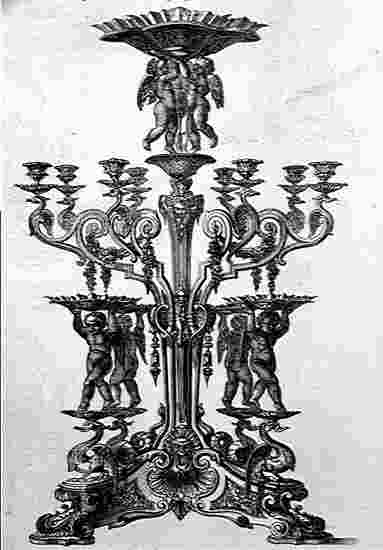
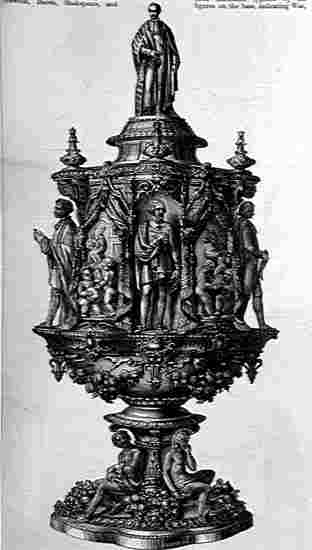
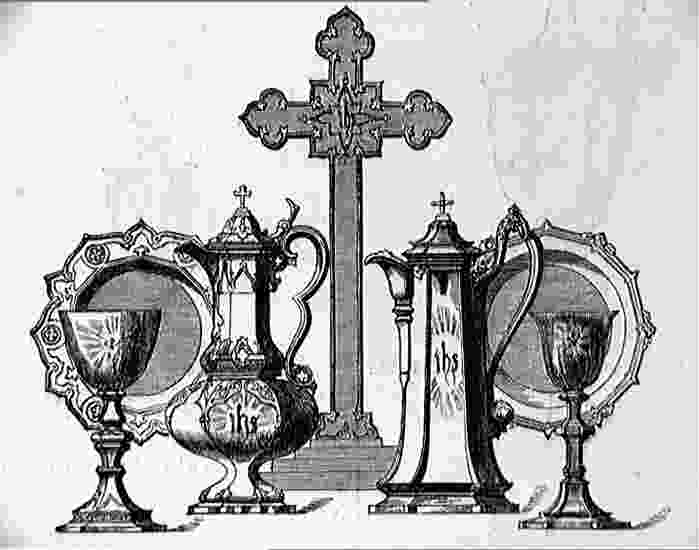
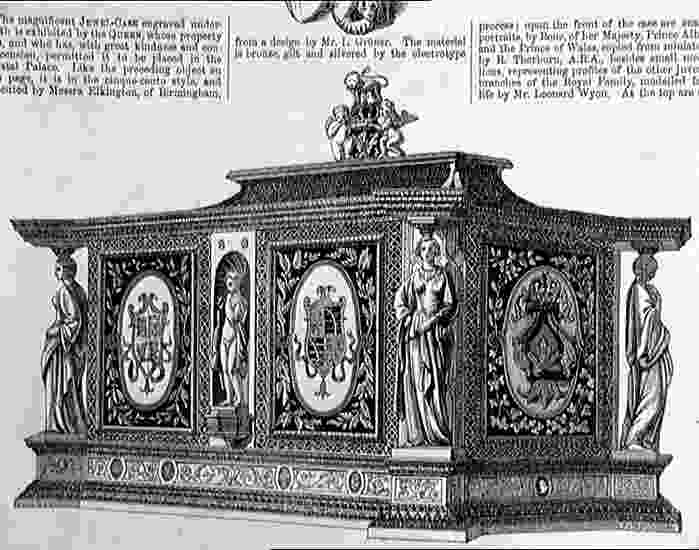
ELKINGTON AT THE 1851 GREAT EXHIBITION
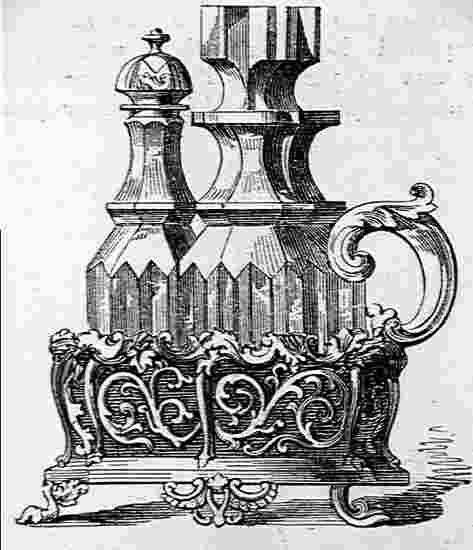
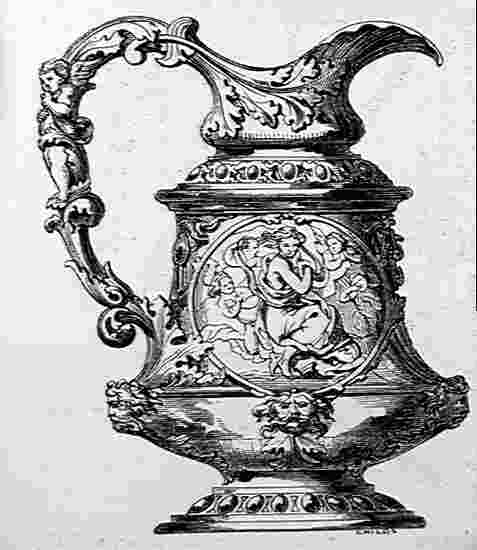
Elkington partecipated in the Metalware section of the 1851 Great
Exhibition held in Hyde Park in London in the specially constructed
Crystal Palace.
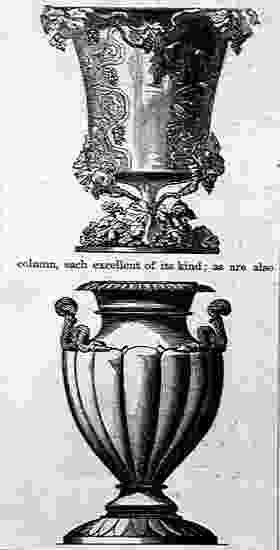
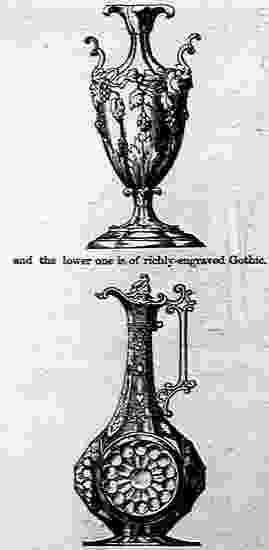
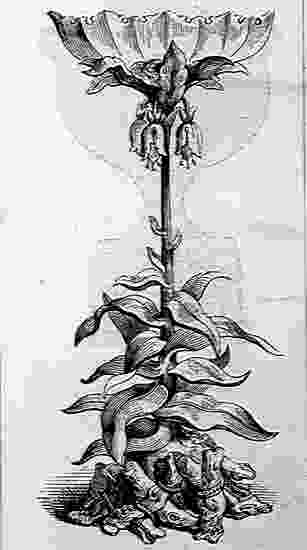
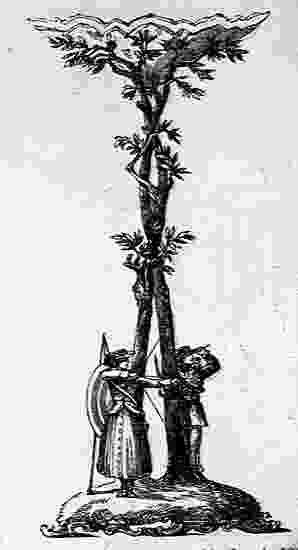
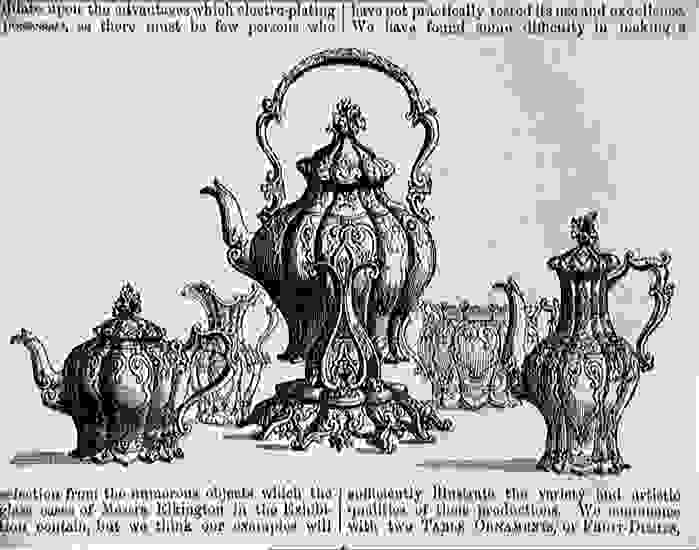
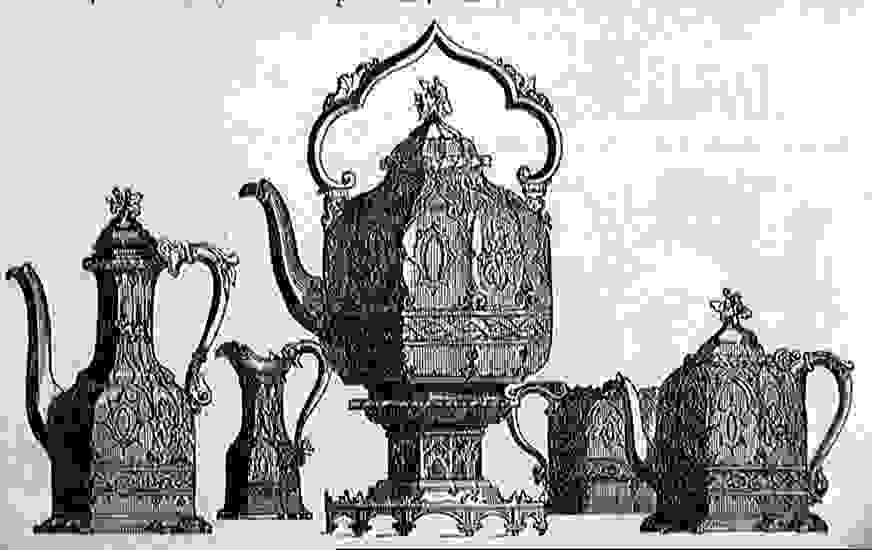
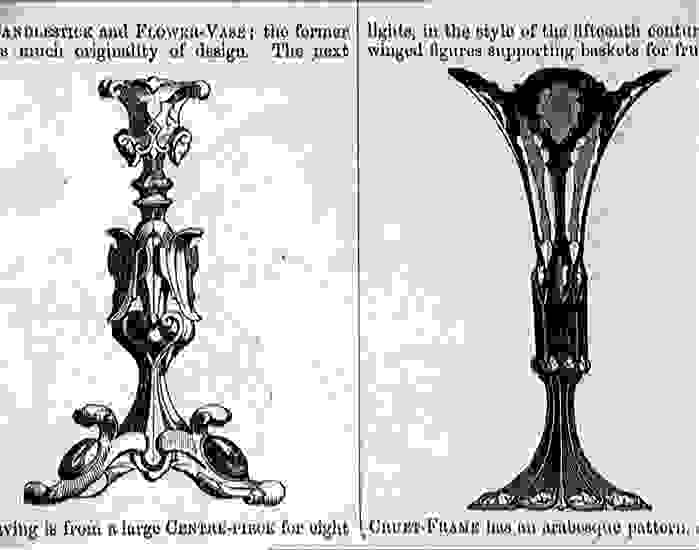
These are images of Elkington production exhibited at Crystal Palace
obtained from "The Art Journal illustrated catalogue. The industry of
all nations 1851. London, George Virtue, 1851"
|
| BRITISH SILVER MAKERS: MARKS, HISTORY AND INFORMATION |
|
BRITISH SILVERSMITHS -
ILLUSTRATED LISTING OF MAKER'S AND SPONSOR'S MARKS
|
|
BRITISH TOWN MARKS AND DATE LETTERS
|

www.silvercollection.it |
This is a page of 'The What is? Silver Dictionary' of A Small Collection of
Antique Silver and Objects of vertu, a 1500 pages richly illustrated website offering all you need to know about
antique silver, sterling silver, silverplate, Sheffield plate, electroplate silver,
silverware, flatware, tea services and tea complements, marks and hallmarks, articles,
books, auction catalogs, famous silversmiths (Tiffany, Gorham, Jensen, Elkington),
history, oddities ...
HOME - SITE MAP - SILVER DICTIONARY - COOKIES CONSENT AND PRIVACY |
This page was useful? leave your LIKE on
facebook
|
- work in progress on this page - your help, corrections and suggestions will be greatly appreciated -
| |



 Adie & Lovekin
 Angell Family
 Asprey & Co
 Atkin Brothers
 Barker Brothers
 E.Barnard & Sons
 Bateman Family
 M. Baum
 G. Benney
 B.Blackburn
 Boardman,Glossop & Co
 M.Boulton
 C.Boyton & Son
 T.Bradbury & Sons
 A.Browett
 Chawner & Co
 A.Clark Manufacturing Co
 G.R.Collis & Co
 Courtauld Family
 Daniel & Arter
 J.Deakin & Sons
 S.Devlin
 Deykin & Sons
 J.Dixon & Sons
 Dobson & Sons
 Eley family
 Elkington & Co
 Emes family
 Fattorini & Sons
 Fox family
 Garrard & Co
 S.Godbehere
 Goldsmiths & Silversmiths Co
 J.Grinsell & Sons
 Hamilton & Inches
 C.F.Hancock
 Harrison Br. & Howson
 Hawksworth Eyre & Co
 Hayne & Cater
 Hennell family
 Holland Aldwinckle & Slater
 Horton & Allday
 Hukin & Heath
 W.Hutton & Sons
 G.Jamieson
 Lambert & Co
 P.deLamerie
 Latham & Morton
 Levi & Salaman
 Lister & Sons
 C.Maas & Co
 Mappin & Webb
 Martin Hall & Co
 R.F.Mosley
 H.G.Murphy
 Pairpoint Brothers
 H.H.Plante
 T.Prime & Son
 R.Pringle & Sons
 O. Ramsden
 Reid & Sons
 Richards & Brown
 Roberts & Belk
 J.Round & Son
 Sampson Mordan & Co
 A.B.Savory & Sons
 Sibray, Hall & Co
 W & G Sissons
 Smily Family
 Spurrier
 P.Storr
 Tessiers Ltd
 F.B.Thomas & Co
 G.Unite & Sons
 C.J.Vander
 Wakely & Wheeler
 Walker & Hall
 D&J Wellby Ltd
  West & Son
 H.Wilkinson & Co
 J.Williams & Co
 H.Woodward & Co
 London
 Birmingham
 Dublin
 Edinburgh
 Glasgow
 Sheffield
 Chester