A SMALL COLLECTION OF ANTIQUE SILVER
AND OBJECTS OF VERTU
THE WHAT IS? SILVER DICTIONARY


SILVERCOLLECTION.IT is a NON commercial web site of a small collection of antique silver and objects of vertu' from 18th to 20th century devoted especially to Continental silver. An illustrated selection of artifacts ... sometimes uncommon ... often unusual...
EUROPEAN COUNTRIES SILVER AND GOLD HALLMARKS
NORWAY
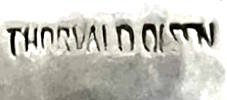
A silver or gold object that is to be sold commercially is, in most countries, stamped with one or more hallmarks indicating the purity of the metal and the mark of the manufacturer or silversmith
The word "HALLMARK" derives from the fact that, since the 16th century, precious metals were sent to the London Goldsmiths' Hall for testing to ensure that the correct standard of silver had been used. The Goldsmiths' Hall was the headquarters of the Goldsmiths' Company and the home of the Assay Office.
In some countries, the testing of precious metal objects and marking of purity is controlled by a national assay office.
Depending on the national legislation the use of hallmarks may be compulsory, voluntary or provided by a manufacturer's declaration.
The Norwegian hallmarking system is organized on a voluntary base.
Norway was in union with Denmark from 1380. In 1814 Norway was ceded to Sweden. In 1905 the union with Sweden was dissolved and the Norwegian constitutional monarchy was reinstated,
The modern Norwegian system of hallmarking came into effect after the 1891 Act.
It consists of the national symbol of a crowned rampant lion holding a battle axe inside a circular frame, the silver fineness mark and the maker's mark.
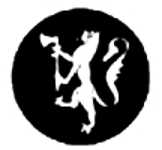
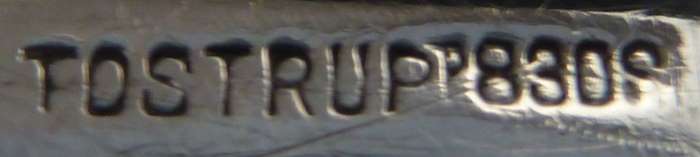
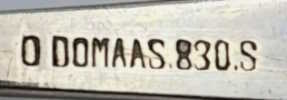
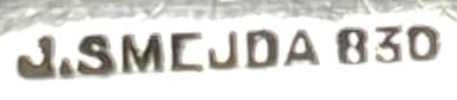
In 1892, silver fineness was standardized at .830 and the mark 830S became compulsory. In 1920, standard .925 started to replace .830 purity.
At the present purity 999, 925, 830 and 800 are admitted for silver items, but .925 is the foremost standard in use.


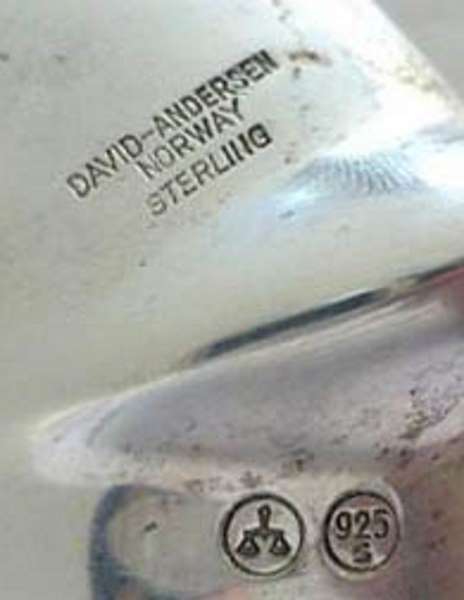
OTHER MARKS ON NORWEGIAN SILVER AND SILVERPLATE
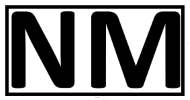
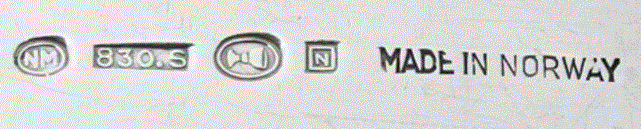
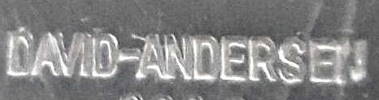
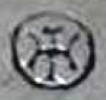
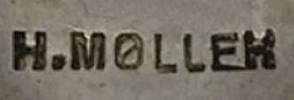
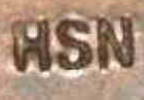
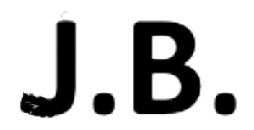
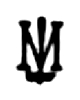
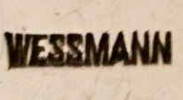
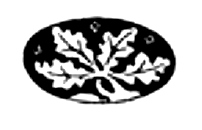
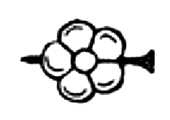
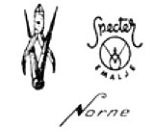
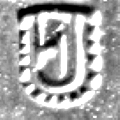
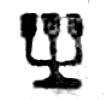
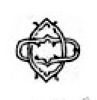
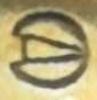
The "NM" mark, often present in Norwegian silver, is the abbreviation of "Norskt Mönster" meaning Norwegian pattern. It is a kind of a copyright mark for Norway

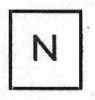
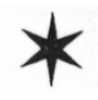
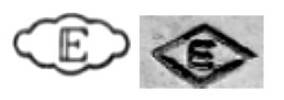
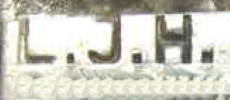
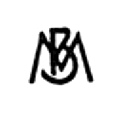
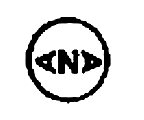
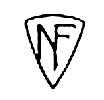
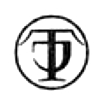
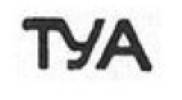
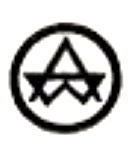
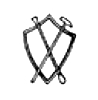
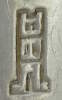
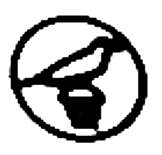
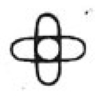
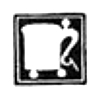
Mark registered in 1929 by the "Fabrikantgruppen innen Gull- og Solvvareleverandorenes Forening" (The manufacturer group within the Association of Gold and Silver Manufacturers)
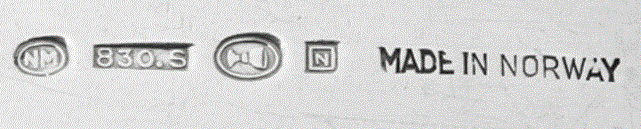
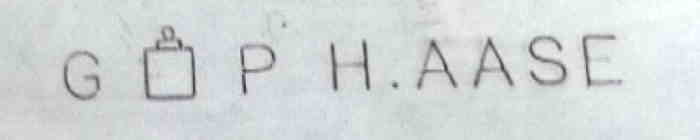
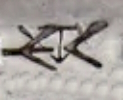
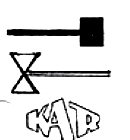
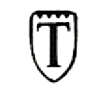
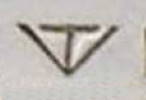
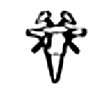
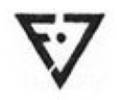
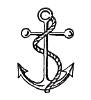
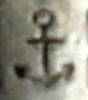
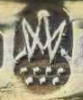
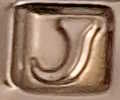
A quality mark, rarely used, introduced in 1947 to certify the quality of silverware
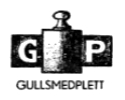
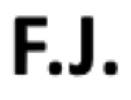
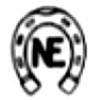
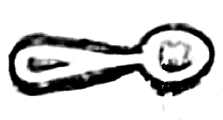
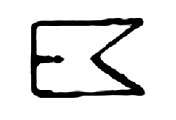
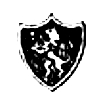
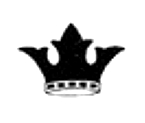
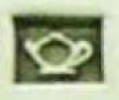
Quality mark introduced in 1931 by the Norwegian Goldsmiths' Association for white metal plated with at least 60 grams of silver
HALLMARKING CONVENTION
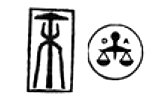
Norway is from 1983 a country member of the Convention on the Control and Marking of Articles of Precious Metals, an international treaty between States on the cross border trade in precious metal articles. It was signed in Vienna in November 1972 and entered into force in 1975.
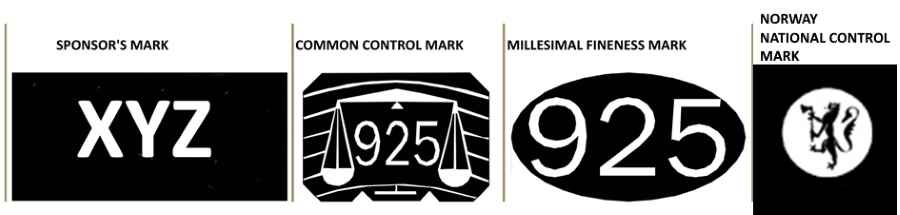
The Convention's Common Control Mark (CCM) has the same legal status as a national Assay Office mark. The CCM is applied by national Assay Offices to articles of platinum, gold, palladium and silver after the fineness of the alloy has been checked in accordance with agreed testing methods.
Articles bearing the CCM - together with the national Assay Office Mark, the responsibility mark (manufacturer or sponsor) and the fineness mark indicating its purity - do not have to be re-controlled or re-marked in the states members of the Convention.








 WORLD HALLMARKS OVERVIEW
OTHER EUROPEAN HALLMARKS (under construction) and HALLMARKING CONVENTION
www.silvercollection.it
This is a page of 'The What is? Silver Dictionary' of A Small Collection of Antique Silver and Objects of vertu, a 1500 pages richly illustrated website offering all you need to know about antique silver, sterling silver, silverplate, Sheffield plate, electroplate silver, silverware, flatware, tea services and tea complements, marks and hallmarks, articles, books, auction catalogs, famous silversmiths (Tiffany, Gorham, Jensen, Elkington), history, oddities ...