ENGLISH ELECTROPLATE SILVER
MARKS AND HALLMARKS OF SHEFFIELD AND BIRMINGHAM SILVER PLATE MAKERS
WITH THE ADDITION OF OTHER BRITISH, SCOTTISH AND IRISH MANUFACTURERS |
This is a page of A Small Collection of Antique Silver and Objects of vertu,
a 1000 pages richly illustrated website offering all you need to know about
antique silver, sterling silver, silverplate, sheffield plate, electroplate silver,
silverware, flatware, tea services and tea complements, marks and hallmarks, articles,
books, auction catalogs, famous silversmiths (Tiffany, Gorham, Jensen, Elkington),
history, oddities ...
SITE MAP - HOME PAGE
|
The two common forms of plated silver are Sheffield plate and silverplate/electroplate.
Sheffield Plate is a cheaper substitute for sterling, produced by fusing sheets of silver to the top and
bottom of a sheet of copper or base metal. This 'silver sandwich' was then worked into finished pieces. At
first it was only put on one side and later was on top and bottom.
Modern electroplating was invented by Italian chemist Luigi V. Brugnatelli in 1805. Brugnatelli used his
colleague Alessandro Volta's invention of five years earlier, the voltaic pile, to facilitate the first
electrodeposition. Unfortunately, Brugnatelli's inventions were repressed by the French Academy of Sciences
and did not become used in general industry for the following thirty years.
Silver plate or electroplate is formed when a thin layer of pure or sterling silver is deposited
electrolytically on the surface of a base metal.
By 1839, scientists in Britain and Russia had independently devised metal deposition processes similar to
Brugnatelli's for the copper electroplating of printing press plates.
Soon after, John Wright of Birmingham, England, discovered that potassium cyanide was a suitable
electrolyte for gold and silver electroplating.
Wright's associates, George Elkington and Henry Elkington were awarded the first patents for electroplating
in 1840. These two then founded the electroplating industry in Birmingham England from where it spread
around the world.
Common base metals include copper, brass, nickel
silver - an alloy of copper, zinc and nickel - and Britannia metal - a tin alloy with 5-10% antimony.
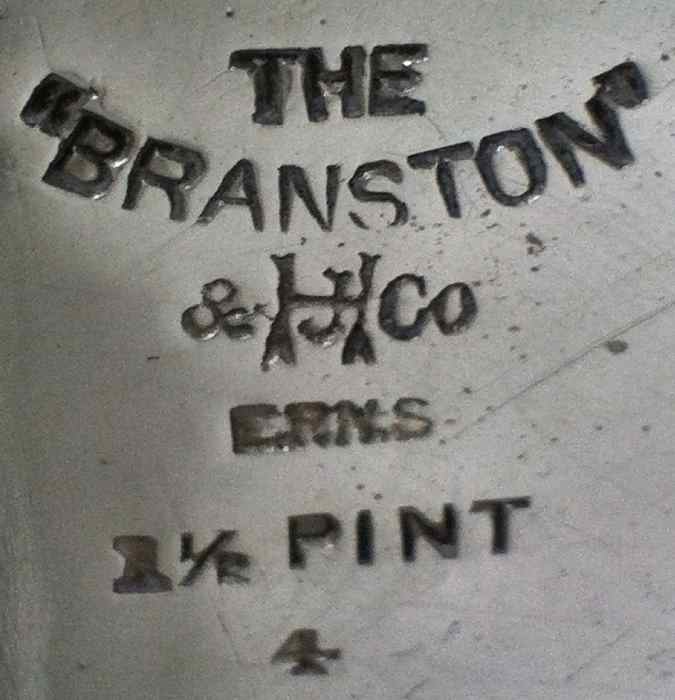
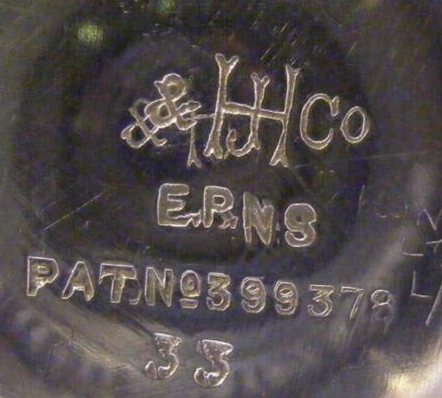
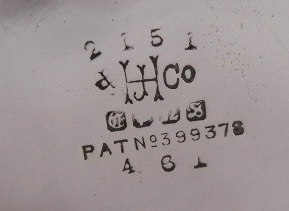
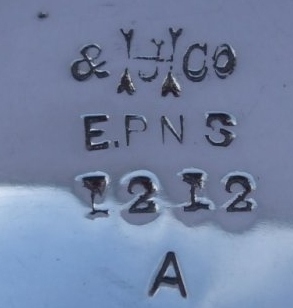
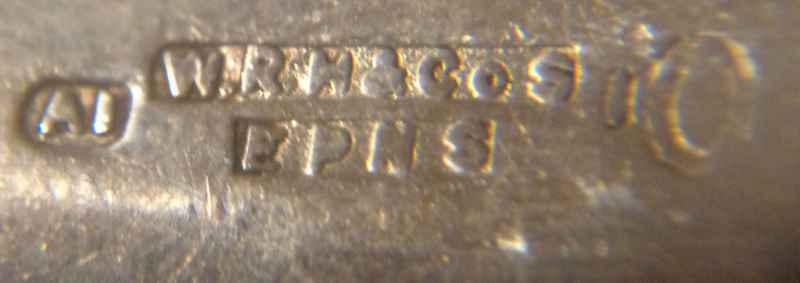
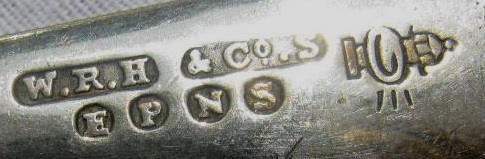
Electroplated materials are often stamped EPNS for electroplated nickel on silver, or EPBM for electroplated Britannia metal.
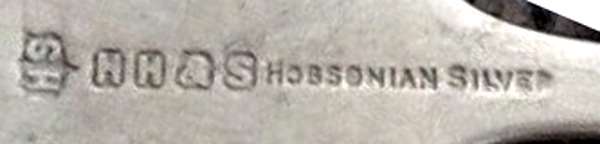
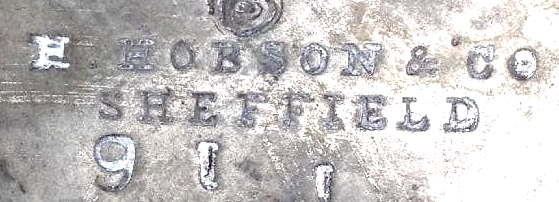
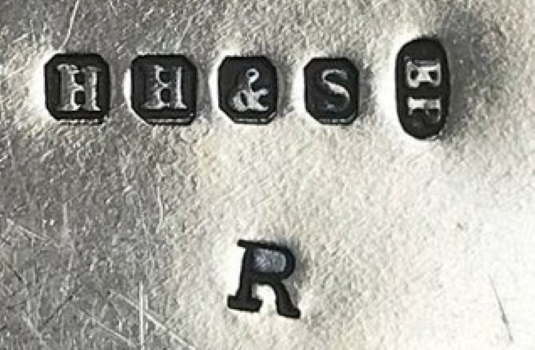
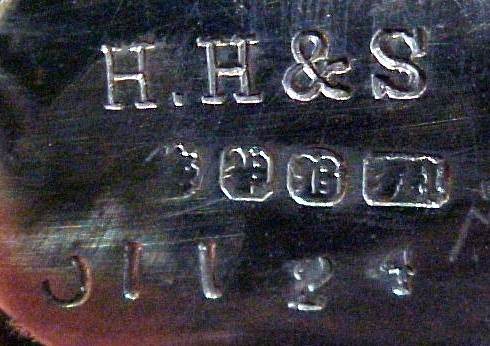
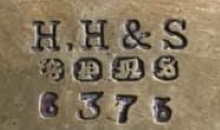
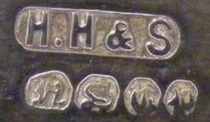
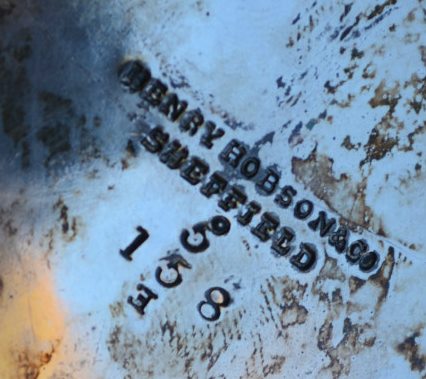
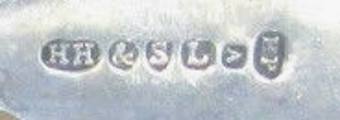
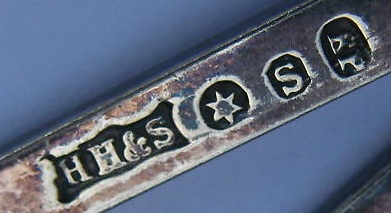
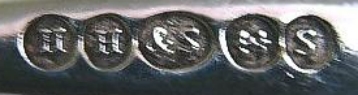
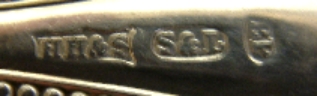
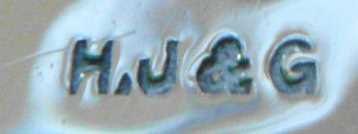
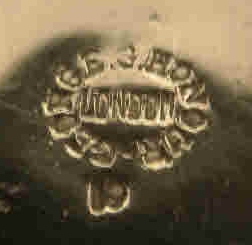
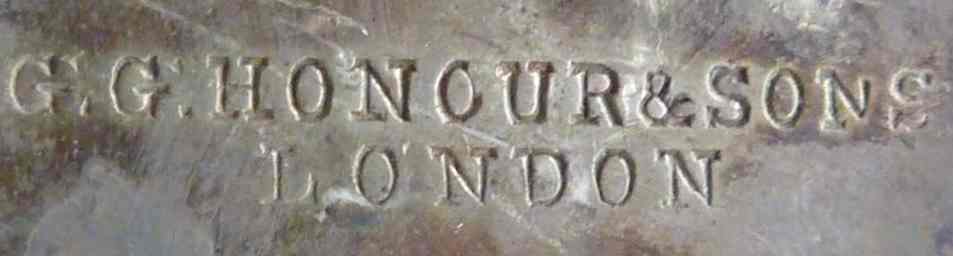
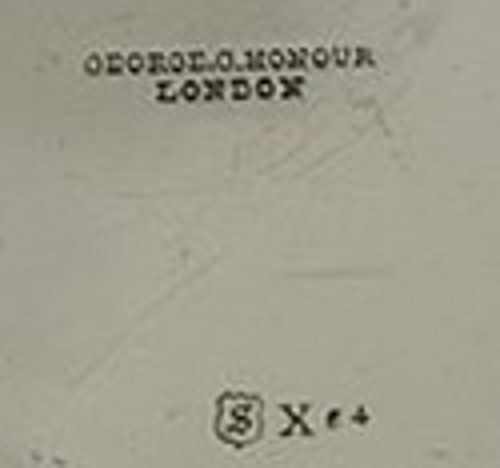
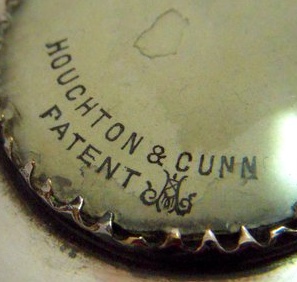
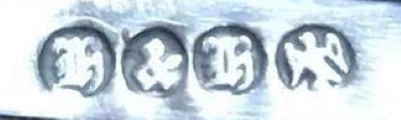
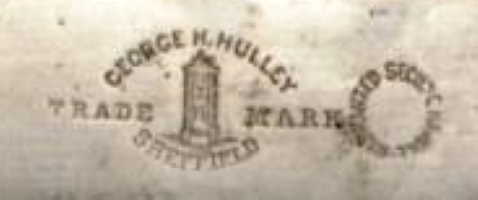
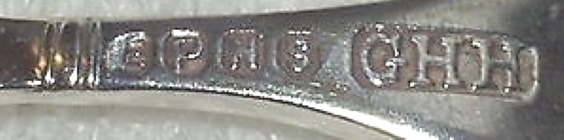
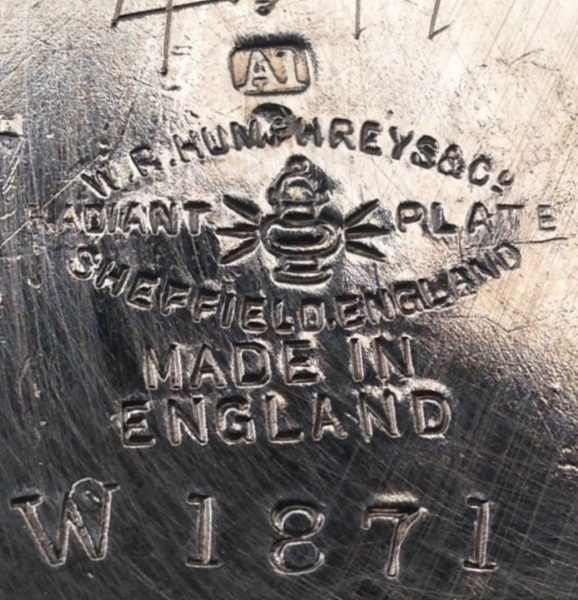
| THE DIRECTORY OF BRITISH ELECTROPLATED SILVER MAKERS: Hi-Hz |
| SILVERPLATE MANUFACTURERS: MARKS' IMAGE & HISTORY |
| ALPHABETICAL LISTING OF SILVERPLATE MARKS |
E.P.N.S. (Electroplated Nickel Silver) and EPBM (Electroplated Britannia Metal) are the most
common names attributed to silver plate items. But many other names are used for silver plate:
EPWM - Electroplate on White Metal, EPC - Electroplate on Copper, Argentium, Argentine Plate, Argentum,
Ascetic, Austrian Silver, Brazilian Silver, Buxbridge, Electrum, Encore, Exquisite,
Insignia Plate, Nevada Silver, Norwegian Silver, Pelican Silver, Potosi Silver,
Silverite, Sonora Silver, Spur Silver, Stainless Nickel, Stainless Nickel Silver, Venetian Silver, W.M White Metal,....
|
| WORLDWIDE DIRECTORY OF SILVERPLATE MANUFACTURERS: HISTORY & MARKS |
| BRITISH TOWN MARKS AND DATE LETTERS |
STERLING SILVER OF ENGLAND, SCOTLAND AND IRELAND
ALPHABETICAL LISTING OF MAKER'S MARKS |
This is a page of Silvercollection.it "A Small Collection of
Antique Silver and Objects of vertu",
a 1500 pages widely illustrated website offering all you wish to know about
antique silver, sterling silver, silverplate, sheffield plate, electroplate silver,
silverware, flatware, tea services and tea complements, marks and hallmarks, articles,
books, auction catalogs, famous silversmiths (Tiffany, Gorham, Jensen, Elkington),
history, oddities ...
SITE MAP -
SILVER DICTIONARY |

www.silvercollection.it HOME
These pages were useful? leave your LIKE on
facebook
|
work in progress on this page - your help, corrections and suggestions will be greatly appreciated -
|
|





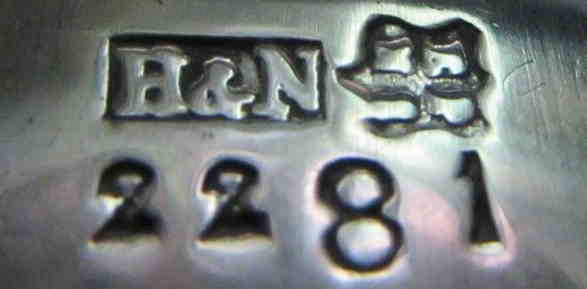
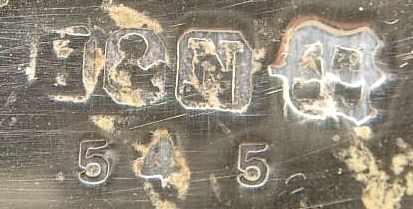
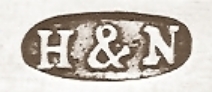
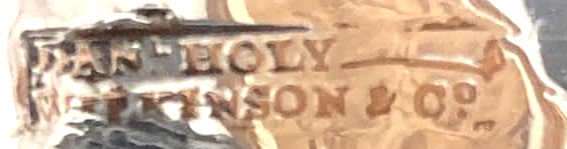

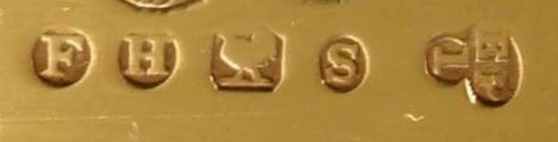
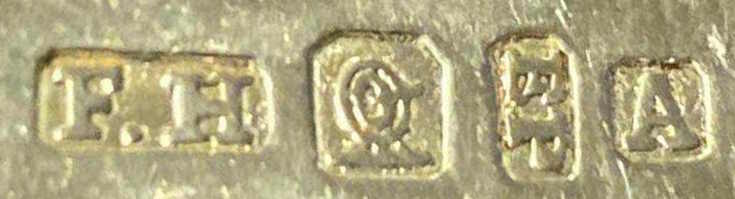
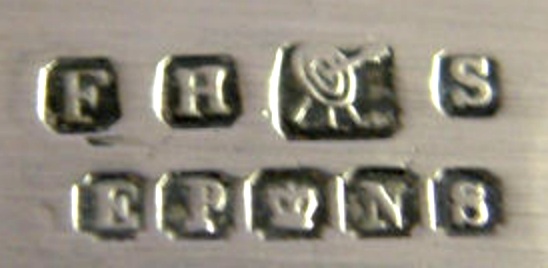
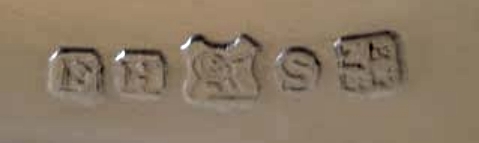
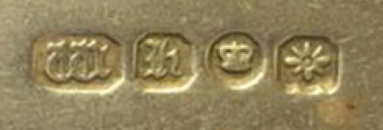
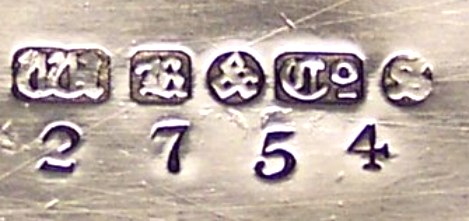
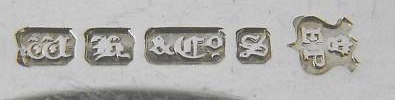
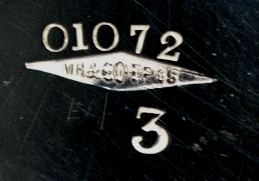

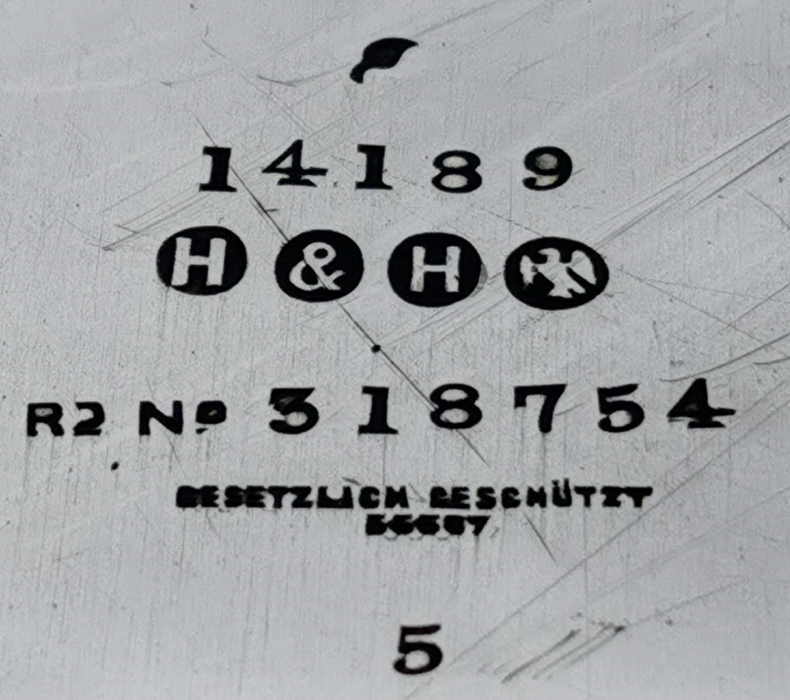
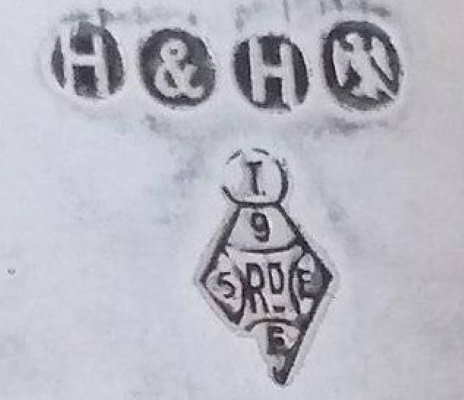
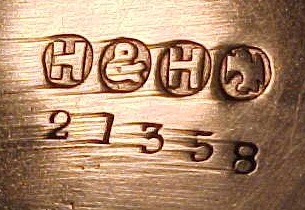
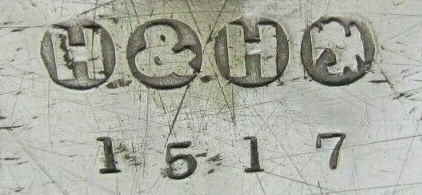


 USA & Canada
 UK Electroplate
 Old Sheffield Plate
 Continental/Europe
 London
 Birmingham
 Dublin
 Edinburgh
 Glasgow
 Sheffield
 Chester